
Tag: Ancient History
-
An Introduction to the Role of Roman Mime Actresses Within Ancient Roman Society
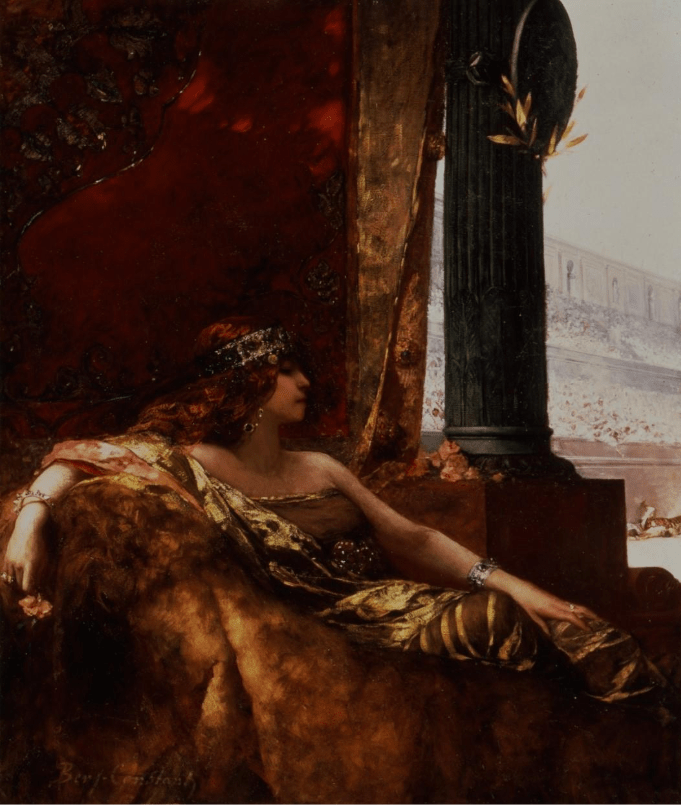
Bethany Hicks-Gravener considers Roman mime as a unique theatrical genre of female performance in Ancient Rome.
-
Why and in what ways did the Roman empire exploit its natural resources?
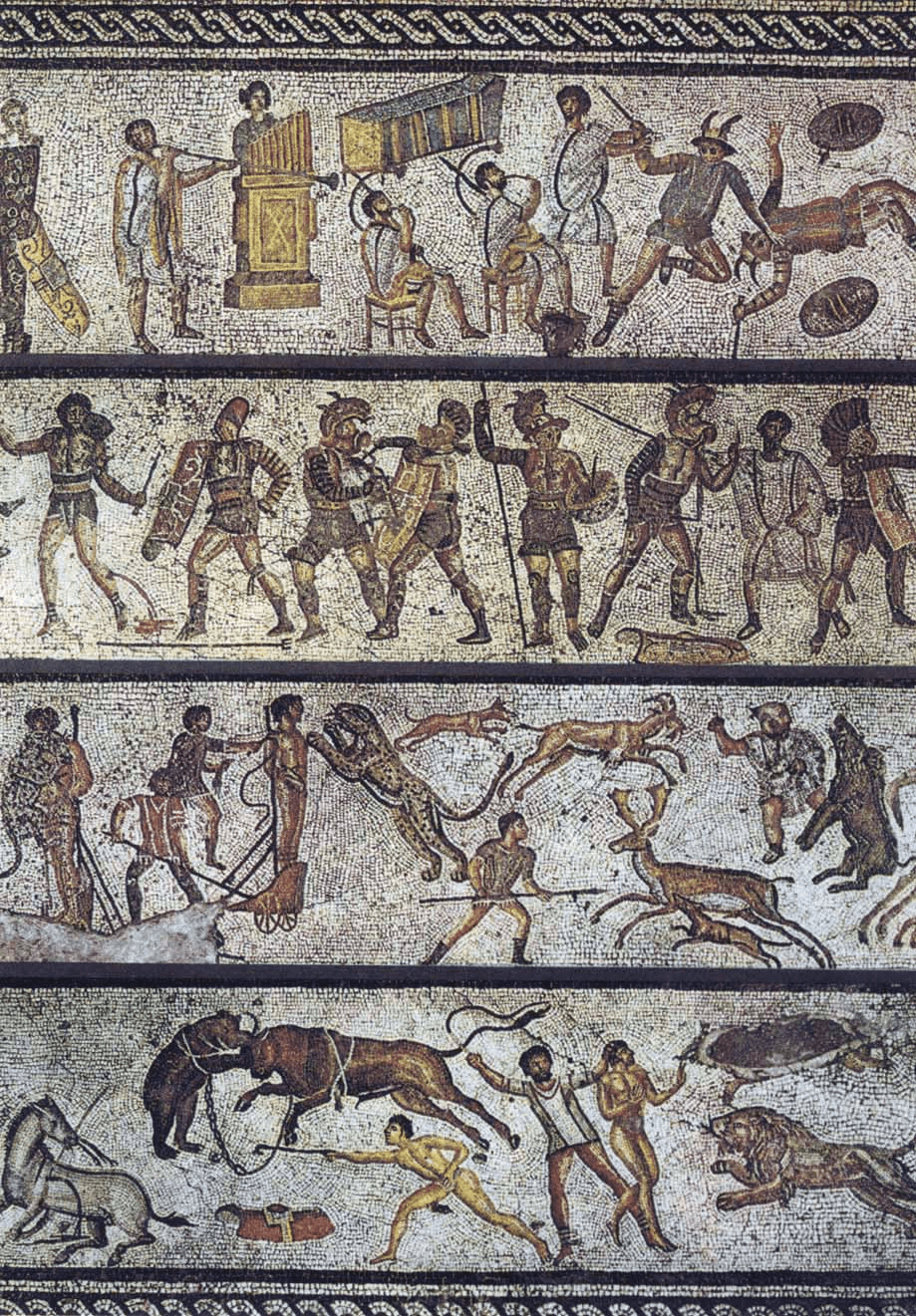
Emily Martin explores how the Roman Empire exploited its natural resources, especially through deforestation and excessive hunting, to support urbanisation and military needs.
-
From Pagan Sage to Islamic Prophet of Science: The Reinterpretation of Hermes Trismegistus
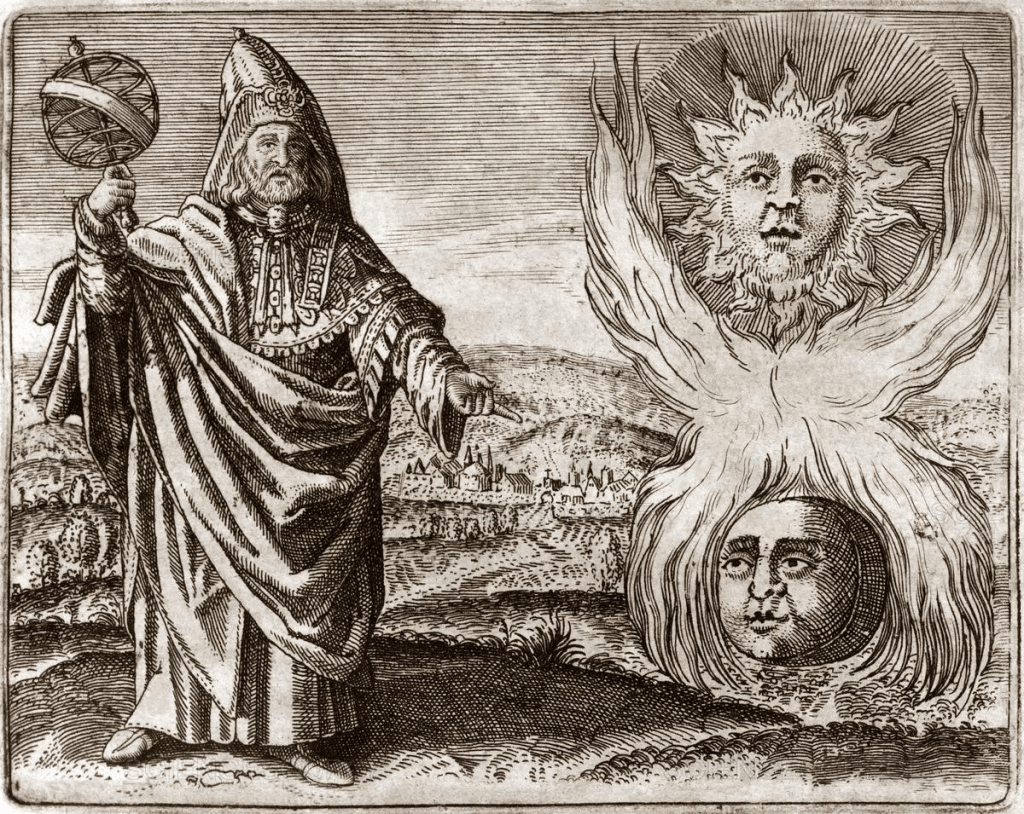
This article by Manahil Masood examines the evolution of Hermes Trismegistus from a Graeco-Egyptian figure to an Islamic prophet of science. It explores his integration into Islamic intellectual traditions, showing how Hellenistic philosophies shaped his reinterpretation. By analyzing this syncretism, the study highlights Hermes’ role as a bridge between pagan and monotheistic beliefs.
-
The Price of Peace: Tacitus’ Outlook Upon One-Man Rule

Ben Clarke writes that Tacitus, born under Nero, offers a sharp critique of one-man rule in Rome. Drawing on his senatorial background, he reveals how the principate eroded libertas, portraying imperial rule as a trade-off between stability and freedom, and condemning both tyranny and senatorial submission.
-
Clytemnestra’s Motherhood and Revenge in Aeschylus’ Agamemnon

Bethany Hicks-Gravener analyses Clytemnestra’s psychological construction in the Greek tragedy, Agamemnon, providing a fascinating textual evaluation that is set within recent approaches to classical studies of honour.
-
The Ancient Greek Guide to Creation (and a little beyond)
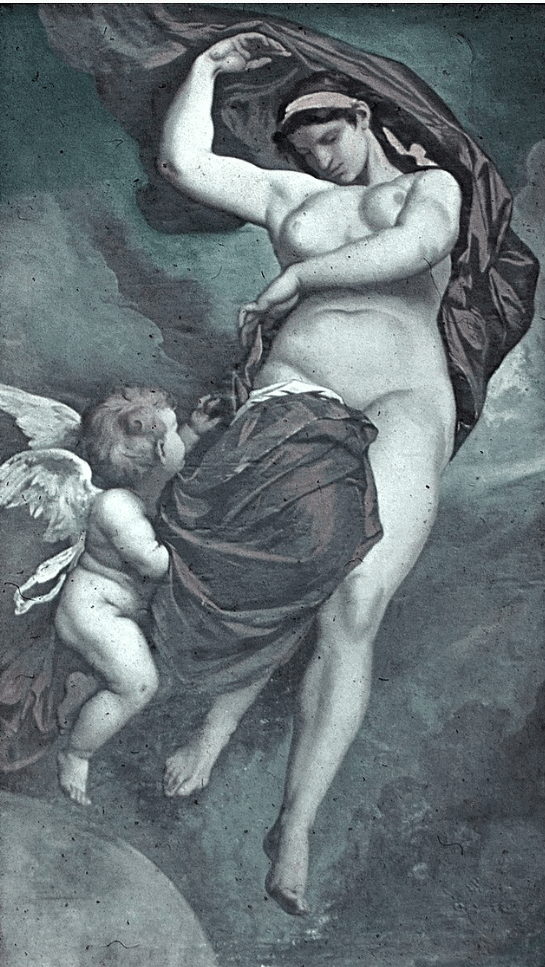
In this fiction piece, Arianna North Castell offers a quick-witted retelling of the creation of humanity, as understood in Greek mythology.
-
SALVE! SPOTLIGHT
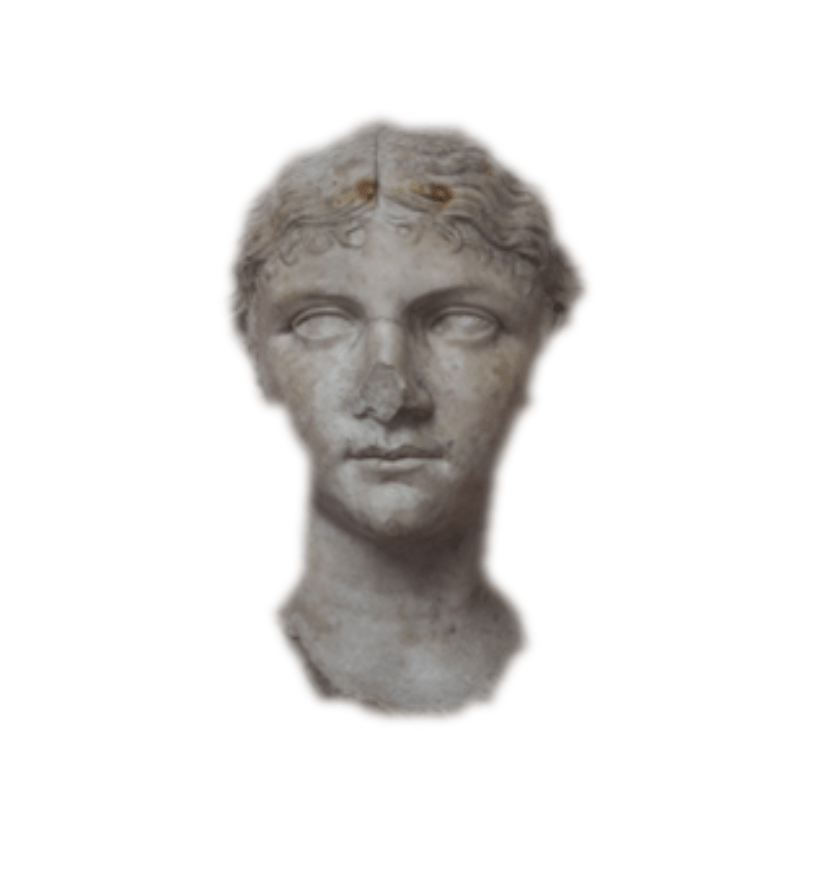
The reputation of Claudia Julia Livia is one of high contention. Georgie Nisbit recounts the various framings of her life in the style of a newspaper exposé.
-
Between Confinement and Power: The Female Body in Classical Greek Society
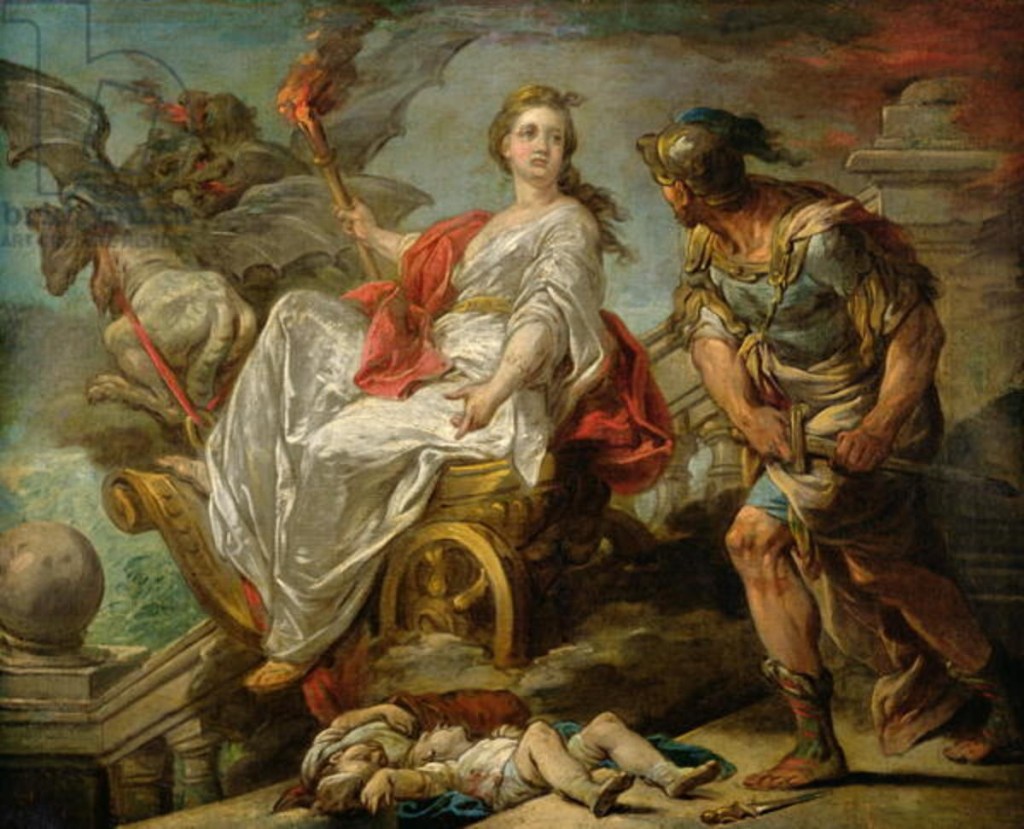
In Euripides’ Medea, the exploration of gender inequality reveals women in Classical Greece as constrained despite their essential contributions through motherhood. Angelina Castrucci evaluates how the female body is constructed under subordination and limited public agency, highlighting societal contradictions regarding women’s power and identity.
 Retrospect Journal