
Category: Features
-
Kinloch Castle, Isle of Rum.

Written by: Mhairi Ferrier. The Isle of Rum has a deeply rich history, spanning from the Ice Age to interactions with Vikings before falling victim to the Highland Clearances. A piece of this length could not begin to do justice to the comprehensive history of the island, although there are some points in this history…
-
The Quagga and Colonialism
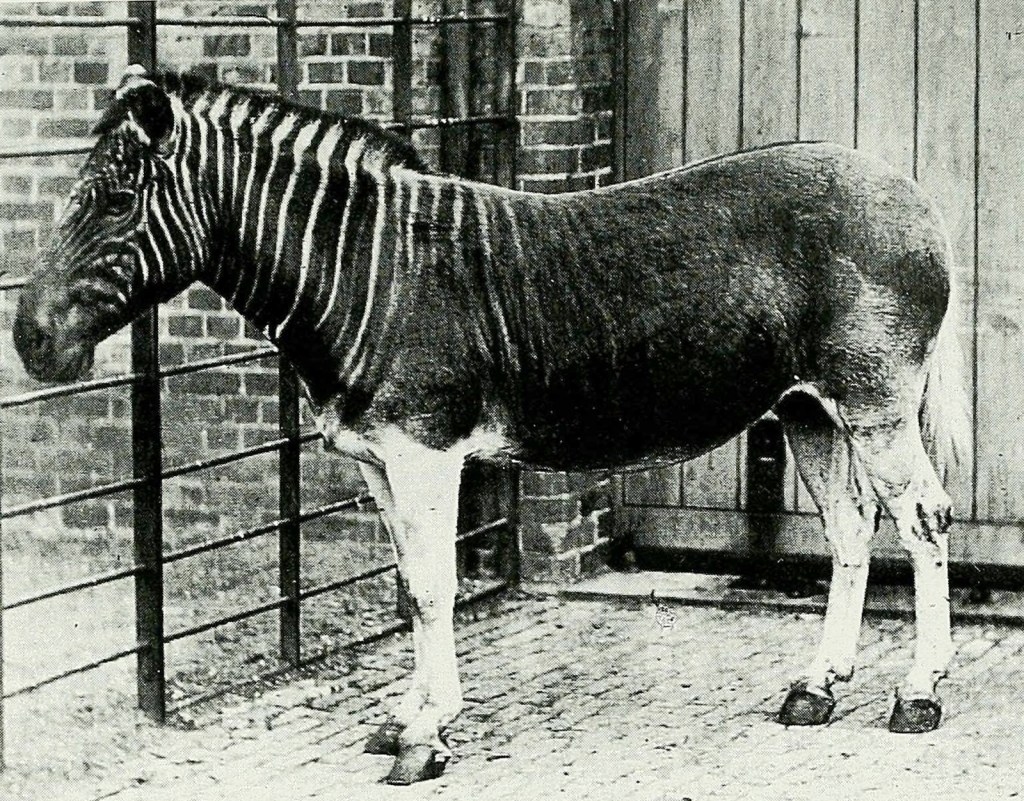
Written by: Lewis Twiby. On 12 August 1883 the last known quagga died in captivity in Amsterdam Zoo; surveys could find no traces of quagga in the wild, confirming its extinction. The extinction of the quagga was deeply entwined with imperial culture and the formation of settler rule in South Africa.
-
A Letter To My Students

Written by: Dr Jake Blanc. In light of the UCU strikes and EUSA’s overwhelming vote in favour of supporting the UCU, we invite Dr Jake Blanc to write on why he and other lecturers are striking.
-
Review: A Tale of Two Cities by Jesse Hoffnung-Garskof
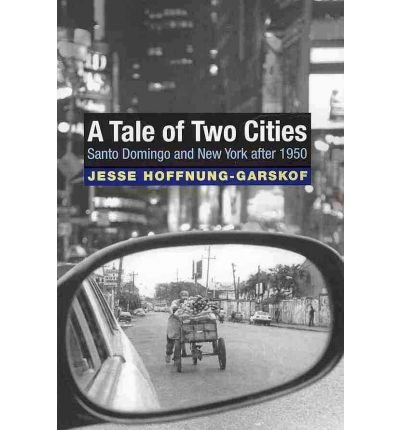
Written by: Lewis Twiby. One of the many communities to call New York home is the Dominican community which Jesse Hoffnung-Garskof looks at in his 2008 book A Tale of Two Cities: Santo Domingo and New York after 1950. Hoffnung-Garskof offers an interesting insight into how diasporas and culture are formed. He is also keen…
-
Fear and Collective Memory: Remembering the HIV/AIDS Crisis

Written by: Rosie Byrne. The AIDS Crisis has caused over 35 million deaths worldwide since its outbreak in the 1980s; it produced widespread fear because of its threat to society as an unknown disease.
-
The 19th Century California genocide

Written by: Prim Phoolsombat. On 18 June 2019, California governor Gavin Newsom officially recognized and apologized for the systematic genocide of California’s Native Americans.
-
Seneca Revisited
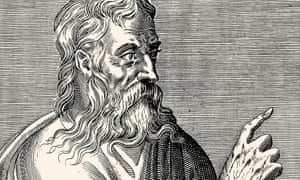
Written by: Justin Biggi. Content Warning: This post contains graphic discussions of violence, gore, and self-harm. I believe that an ulterior dimension can be added to how we read Seneca’s use of violence if we read it through the lens of modern-day horror theory.
-
‘Tipu’s Tiger’ and the Importance of Visual Language
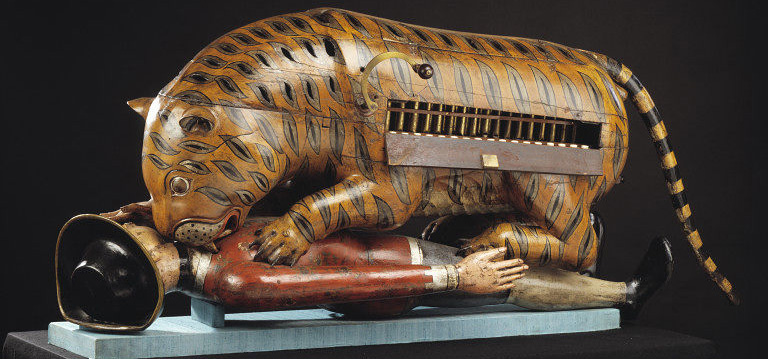
Written by: Laila Ghaffar. In the narrative of the British colonisation of India, it would be very easy to understand the Indians as passive and helpless in the face of rapid British expansion. After all, history is written by the winners. However, one look at ‘Tipu’s Tiger’ and an entirely different story is conveyed.
 Retrospect Journal