
Category: Academic
-
Machivalli’s Nightmare: Saint-Exupéry and the Philosophy of le Petit Prince

Alexander Stroem explores The Little Prince, by Antoine de Saint-Exupéry, transcending the children’s book label, and exploring the profound humanist themes such as love and friendship amid a backdrop of World War II. Saint-Exupéry’s work serves as a critique of adult behaviour and a plea for compassion, instilling essential values in both children and adults…
-
Terracotta Warriors: The Conservation of the ‘World’s Eighth Wonder’

Emma Donaldson explores the history of the Terracotta and how they being preserved for the future.
-
Representations of Women Working in the NHS within Medical Romance Novels

Lauren Hood explores how romance novels from publishers like Mills & Boon have portrayed women in medicine since 1948.
-
The Painted Question, The Iconoclast Answer
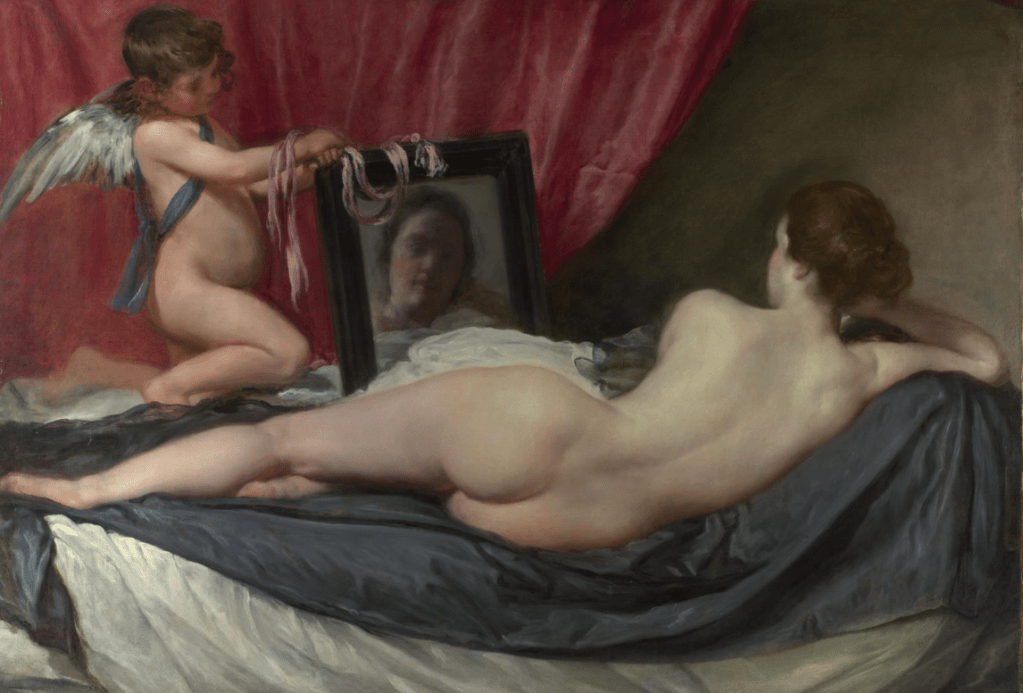
Abby Hughes explores the history and slashing of Diego Velázquez’s Rokeby Venus.
-
Mao’s “Revolutionary” State or the Continuation of Imperial Rule? A Look at the Founding of the Xinjiang Production and Construction Corps

Roya investigates the Xinjiang Production and Construction Corps, established in 1954, which aimed to consolidate control over Xinjiang through civil-military integration.
-
Clytemnestra’s Motherhood and Revenge in Aeschylus’ Agamemnon

Bethany Hicks-Gravener analyses Clytemnestra’s psychological construction in the Greek tragedy, Agamemnon, providing a fascinating textual evaluation that is set within recent approaches to classical studies of honour.
-
The October Revolution: A Social Uprising or a Calculated Bolshevik Operation
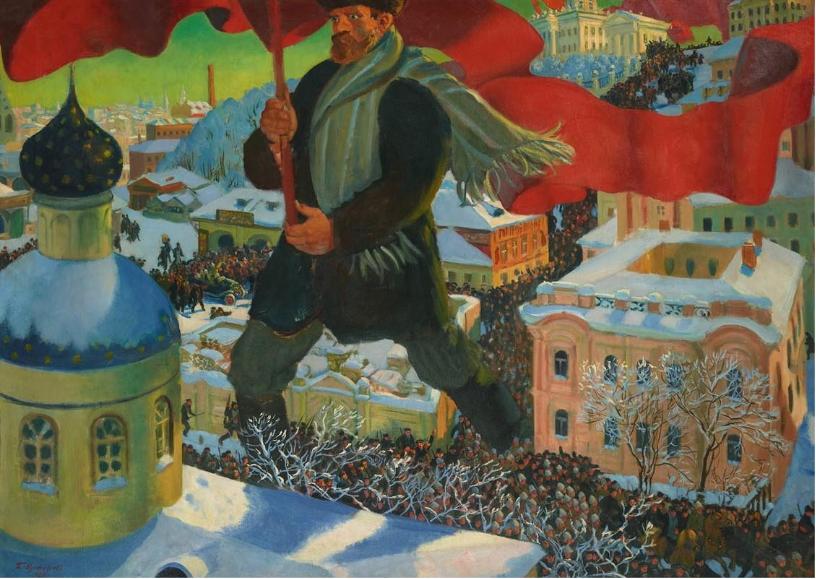
Lydia discusses the transformation in Russia during 1917, highlighting the revolutionary fervor, public desperation, and socio-economic problems leading to Bolshevik control.
-
Down the Rabbit Hole: Examining the theory that Lewis Carroll was Jack the Ripper
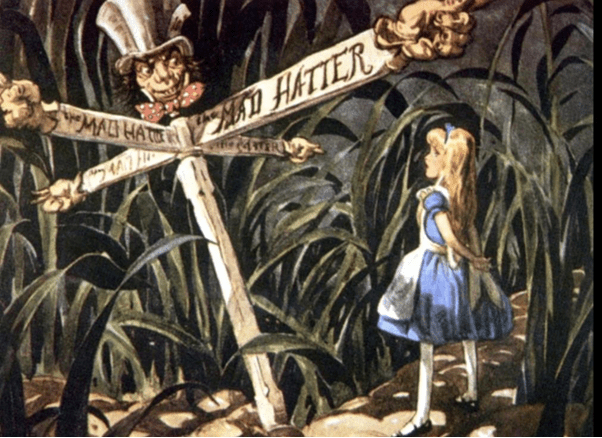
Kayla Greer examines the theory that Lewis Caroll, author of Alice’s Adventures in Wonderland, was notorious murderer Jack the Ripper.
 Retrospect Journal