
Category: Academic
-
Precursors to Salem Part One: Elizabeth Knapp
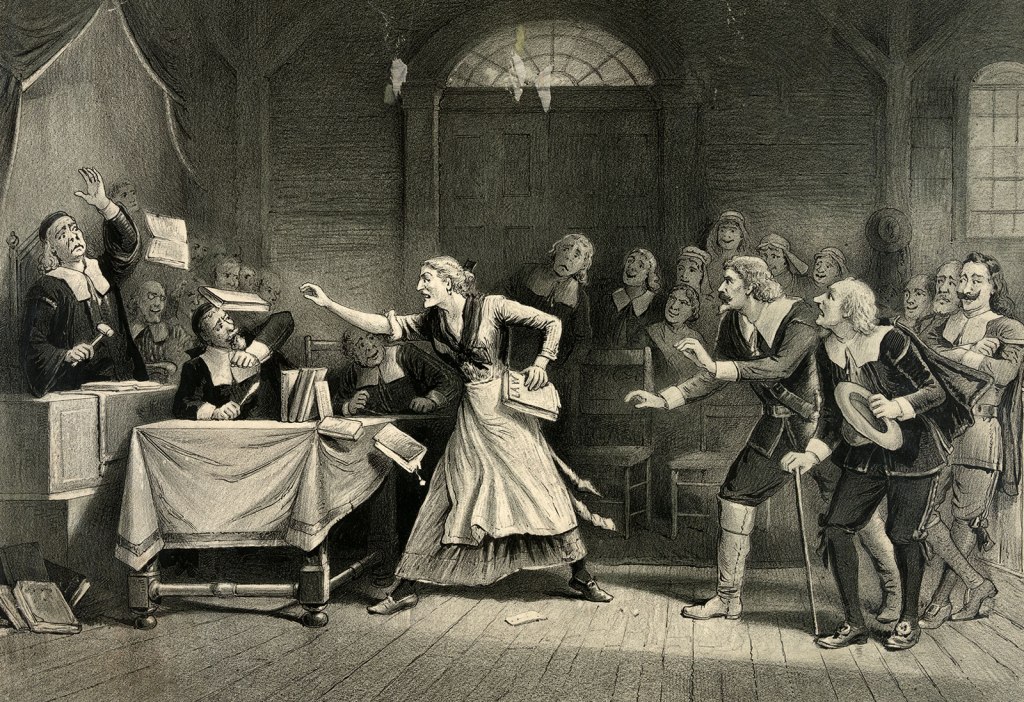
Written by Melissa Kane. This three part series explores some of the precursors to the infamous witch trials at Salem. Part One recounts the case of Elizabeth Knapp of 1671.
-
Through the Looking Glass: Photography and Imperialism in the Nineteenth and Twentieth Centuries

Written by Jack Bennett. The technology of photography has been deeply entangled with imperial expansion. However it has been a contested technology too and used by colonised peoples.
-
The Rise and Fall of Liberal Evangelicalism in the United States

Written by Jess Womack. The evangelical Christian right in US politics holds immense influence today, but there was a time when liberal evangelicalism was similarly influential. Why did evangelical Christians align with the left? And how did this position change so drastically?
-
Assassin’s Creed Odyssey and Slavery: Contending with the Inhumane

Written by Justin Biggi. Video game developer Ubisoft has received praise for the historical accuracy of its popular ‘Assassin’s Creed’ series. However, as with many other forms of popular media, the issue of slave ownership – a well-documented aspect of the Ancient Greek world – is heavily diluted for its audience.
-
The Istanbul and Uraniborg Observatories: A Comparative Study

Written by Kat Jivkova. Both the Istanbul and Uraniborg observatories were pioneers in the fields of astronomy and alchemy. Despite the cultural schism between them, comparative study can elucidate significant advances in astronomic practice in the sixteenth century.
-
Byblos and its Relationship with Egypt
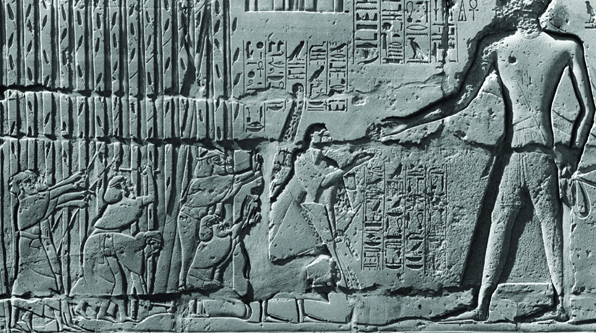
Written by Alex Smith. Byblos greatest influence today is its role in the invention of the Phoenician alphabet. This city, located in modern-day Lebanon, had an important relationship with Ancient Egypt.
-
George McClellan’s Fall from Grace

Written by Amy Hendrie. The course of the American Civil War is well tracked, and yet the contributions of George McClellan both helped and hindered progress throughout the endeavour. Dispatched by Abraham Lincoln, what caused such a fall from grace?
-
The Impacts of Li Shizhen’s Bencao gangmu

Written by Kat Jivkova. The history of the natural world and study of the natural world has much to owe Li Shizhen’s Bencao gagmu, a sixteenth century text created from years of research and exploration, and often referred to as a “dictionary of Chinese knowledge”.
 Retrospect Journal