
Category: Academic
-
“It’s the End of Atlantis!”: Bulgarian Science Fiction in the Western Mind

Science fiction is frequently seen as a genre created in the West that later spread to the rest of the world. Kat Jivkova takes a look at Bulgaria’s own rich sci-fi tradition.
-
Medieval Miracles: Why and How Clerical Authors Used Omens

Medieval chronicles are extremely useful for historians, acting as a contemporary source available for understanding opinions from this earlier time period. Marnie Camping-Harris takes a look at the use of omens and miracles in them.
-
‘Ten Years of Chaos’: Revisiting the Chinese Cultural Revolution

The Chinese Cultural Revolution is one of the most brutal events in history with hundreds of thousands killed in an attempt to create a modern communist society. Edie Christian revisits the history of the Cultural Revolution to understand how citizens were impacted by the immense societal changes.
-
The flammable nature of Malibu beach: A brief history of California’s wildfires in the early 20th century.
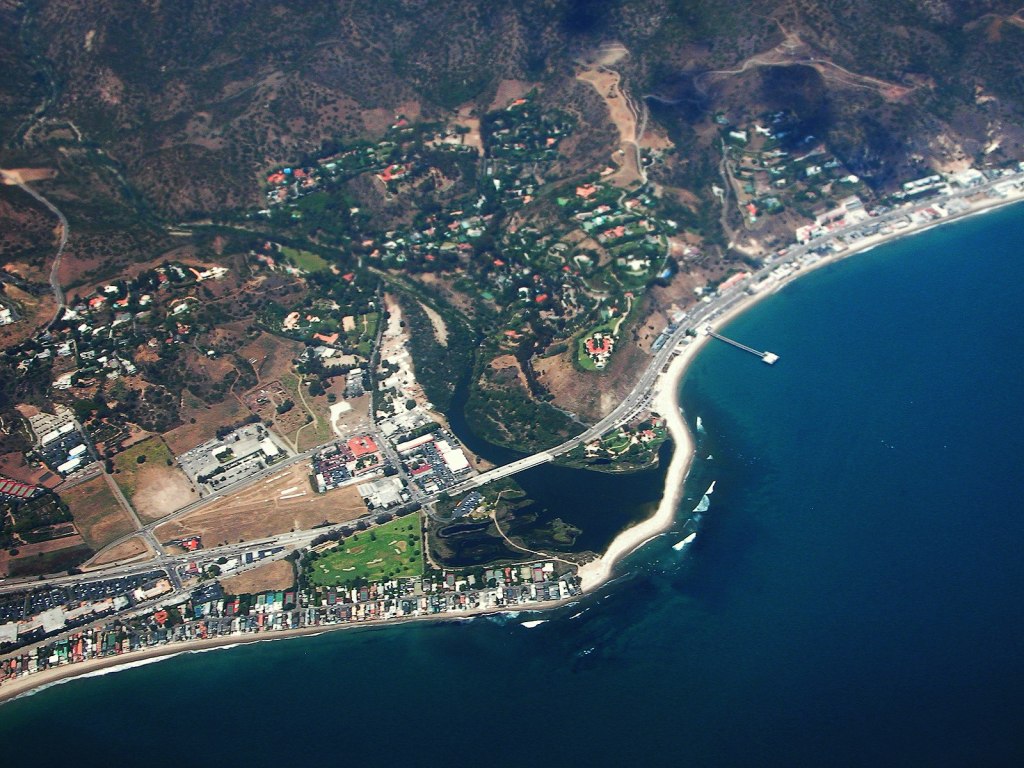
Malibu Beach is a picturesque icon of the California coastline, but its urban development has been contested by consistent wildfires. Ishaabhya Tripathi discusses the politics behind the development of Malibu and how the community formed around environmental disasters.
-
The Overlooked History of ‘los Gitanos’ and Flamenco

Flamenco, popular in modern-day Spain, holds an often-overlooked deep history with the marginalised ‘los Gitanos’ community, with roots tracing back to the medieval period. Isabelle Shaw explores these origins and their significance in the history of flamenco.
-
‘The Four Hundred’ Aristocratic: Reformed Institution or Unmovable Powerhouse?
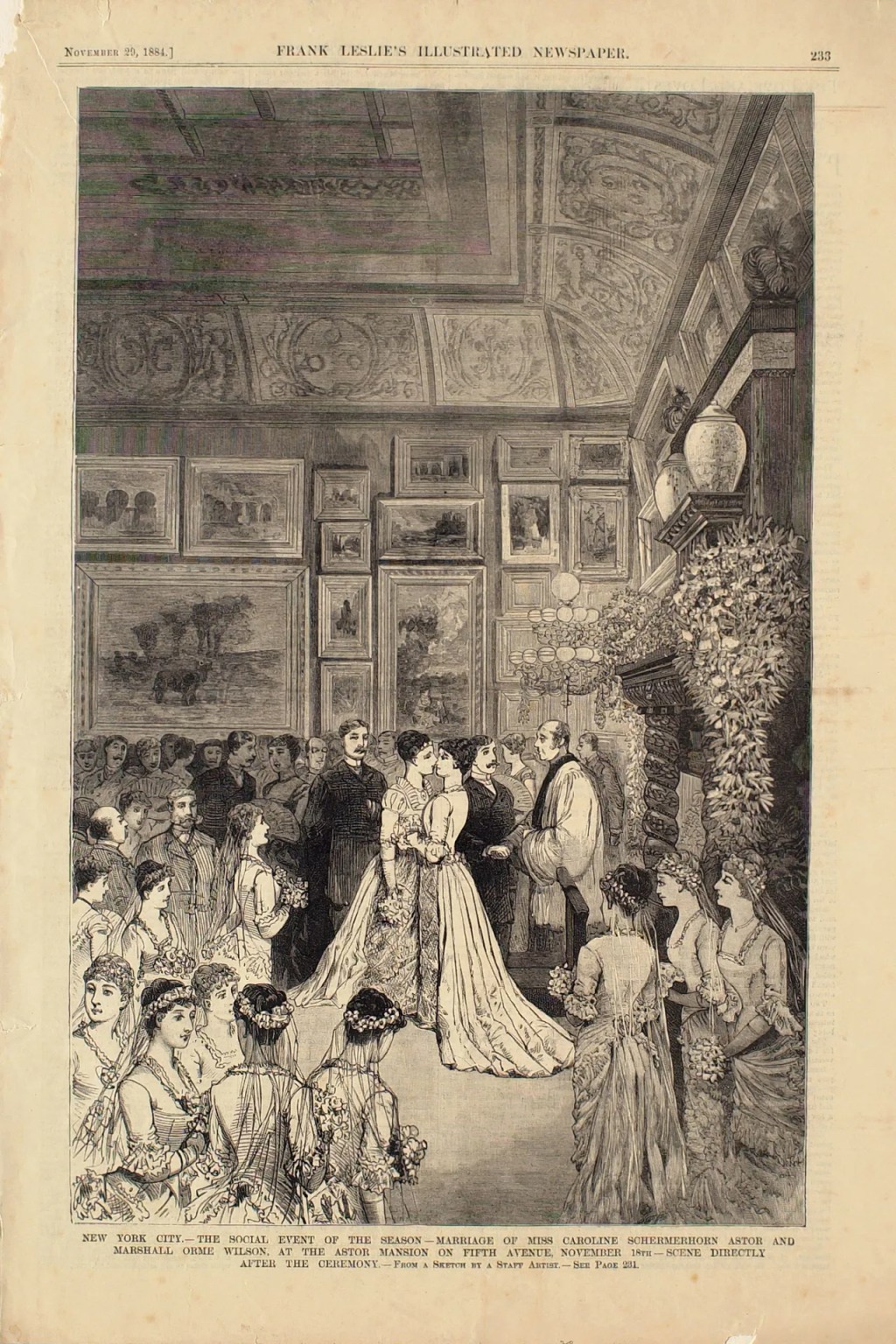
Harry Fry explores a select group of wealthy and influential people in high society during the Gilded Age in New York known as ‘The Four Hundred’.
-
Was the Meiji Restoration actually a revolution?
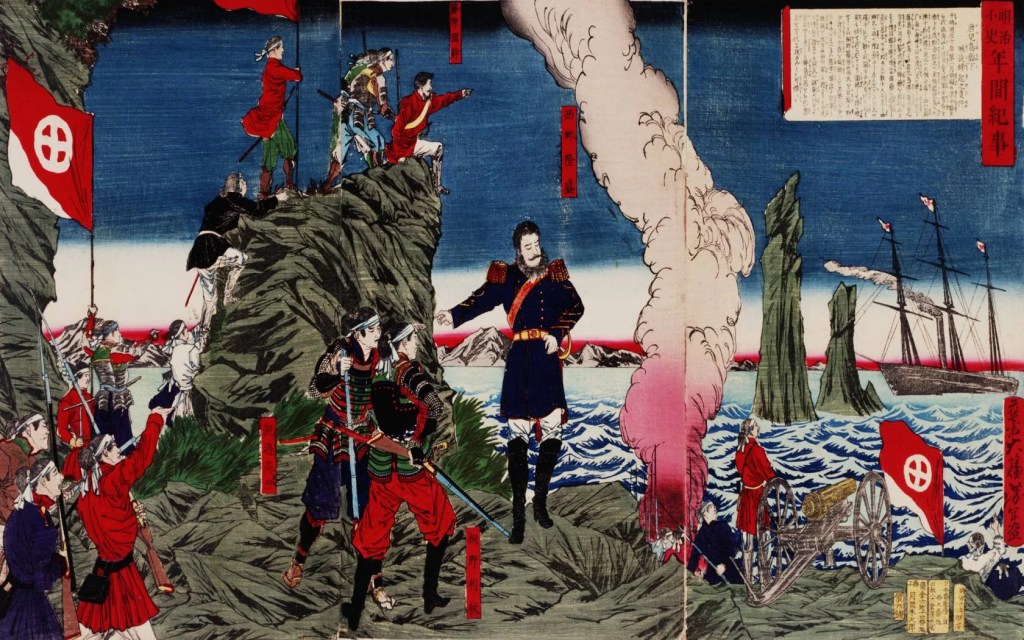
Darcy Gresham explores the question of whether the Meiji Restoration can be considered a revolution, rather than a restoration.
-
Revisiting the Osage Oil Murders in Martin Scorsese’s Killers of the Flower Moon

Martin Scorsese’s 2023 film Killers of the Flower Moon sheds light on the Osage oil murders of the 1920s. Kat Jivkova traces David Grann’s account of the murders in order to critically evaluate the film.
 Retrospect Journal