
Category: Academic
-
The Role of Sinhala Nationalism in Political Conflict and Violence in Sri Lanka
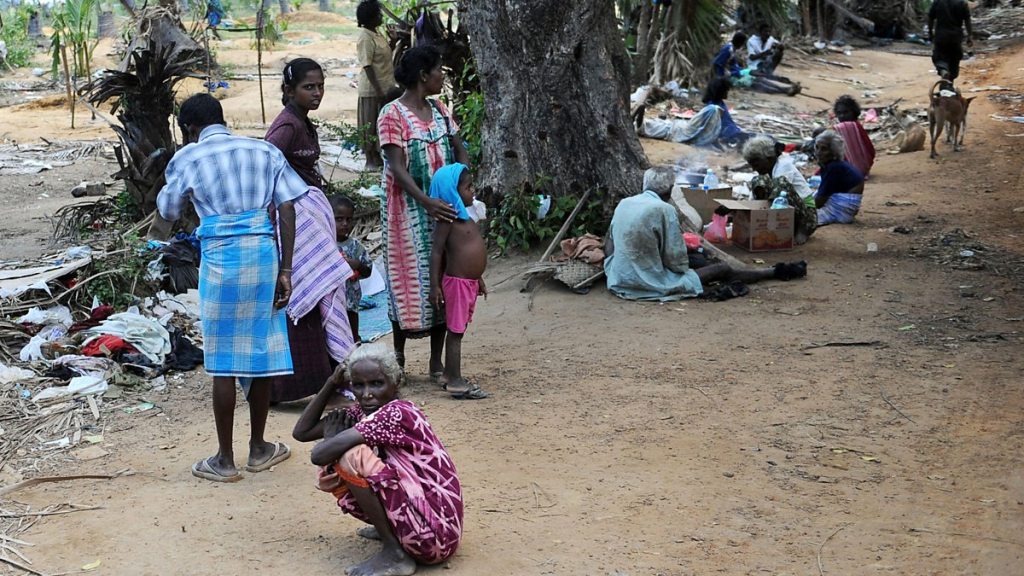
The complexities of Sri Lanka’s socio-political landscape have been deeply influenced by the ideology of Sinhala nationalism, which espouses belief in the ethnic and religious superiority of the Sinhalese majority. Louisa Steijger examines its violent impacts.
-
Buildings That Mean Death: Israeli Settlements in Palestine
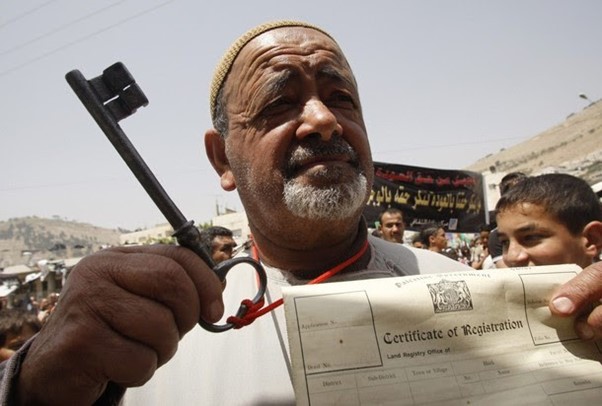
Over the last century, Israeli settlements have increasingly moved onto Palestinian land, often in violation of international treaties. Aliya Okamoto Abdullaeva examines the history and present context of this.
-
Newsreel Narratives: Media Influence and Manipulation in the 1956 Suez Crisis
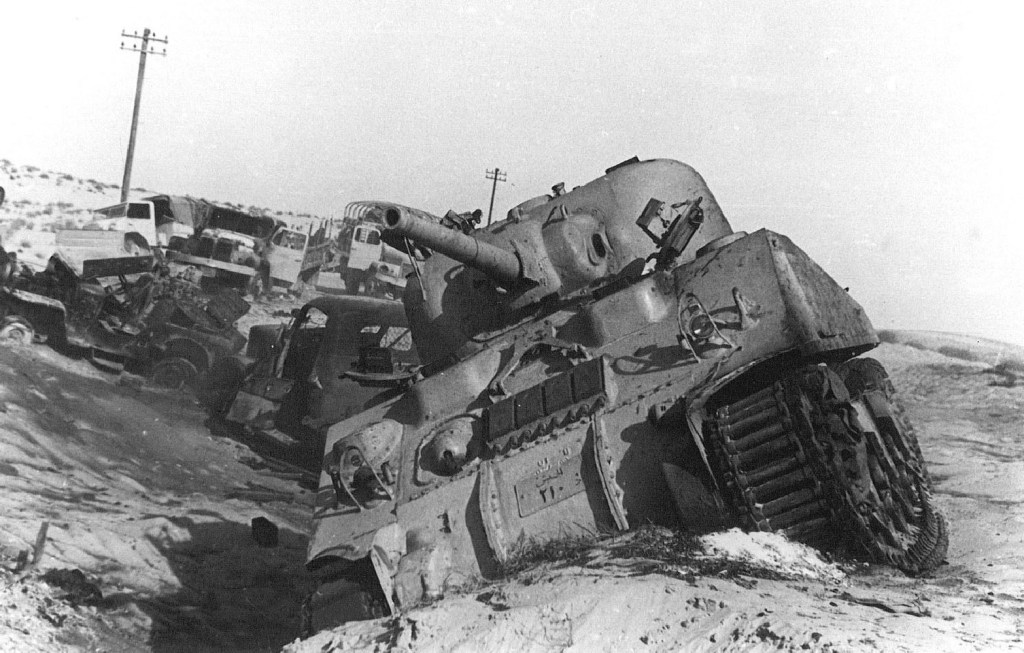
The 1956 Suez Crisis was heavily covered by the media in both France and Britain. Edie Christian examines how this media coverage was used by the government to justify their actions.
-
The Oeuvre of Harry Crosby: Art into Reality
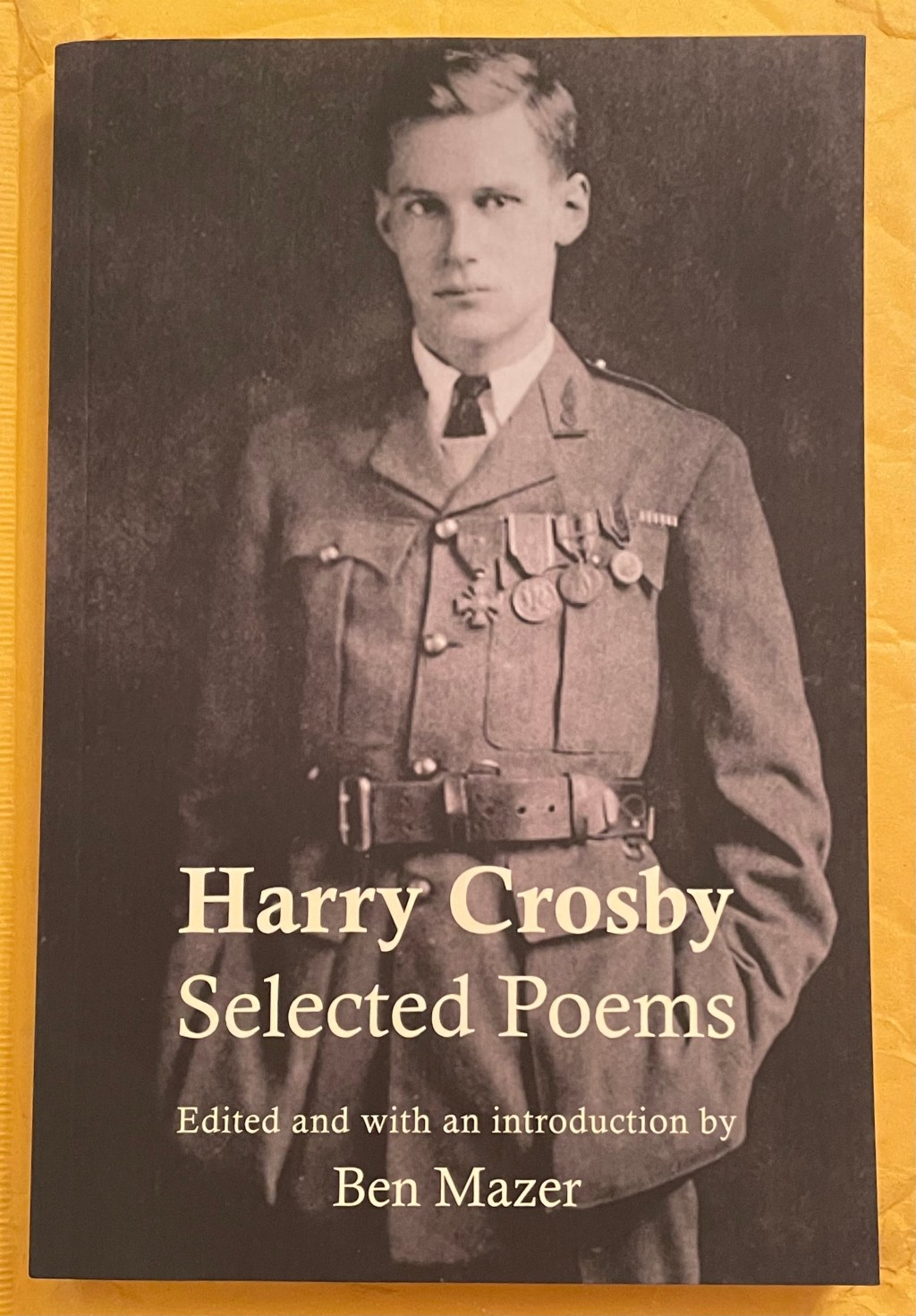
Harry Fry delves into the life and work of Harry Crosby, a poet who lived in the early 20th century.
-
Last and First Men: The Origins of Directed Panspermia and its Implications on the Present
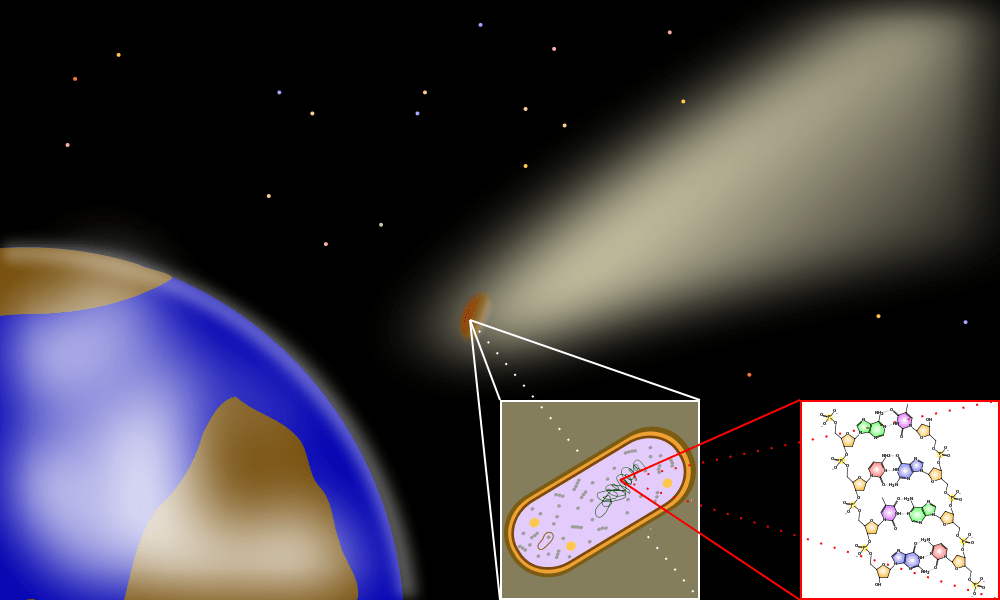
The idea of human life being able to sustain itself on other planets has been around since the 1930s. Kat Jivkova discusses this scientific field developed from science-fiction into theoretical studies.
-
Dorcus Hoar: The Stereotypical New England Witch
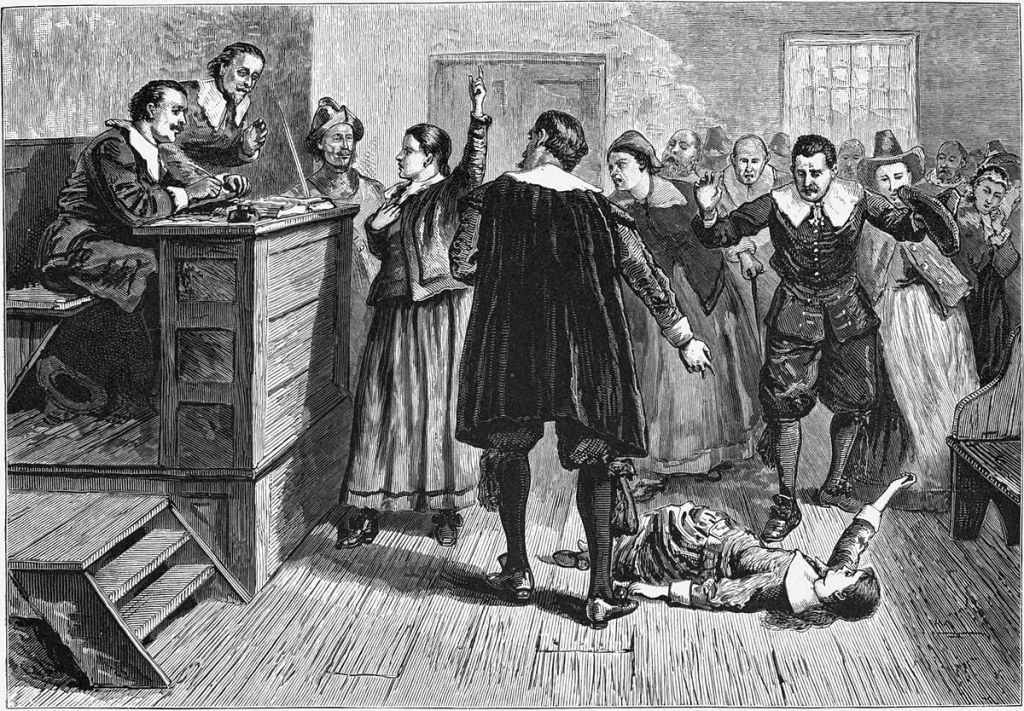
John Demos’s portrait of a witch offers scholars a series of characteristics which witches were understood to have. Marnie Camping-Harris demonstrates how Dorcas Hoar, accused in the Salem Witch Trials, fits these stereotypes.
-
The Autocratic Democrat: why did Chiang Ching-kuo dismantle Taiwan’s authoritarian regime?
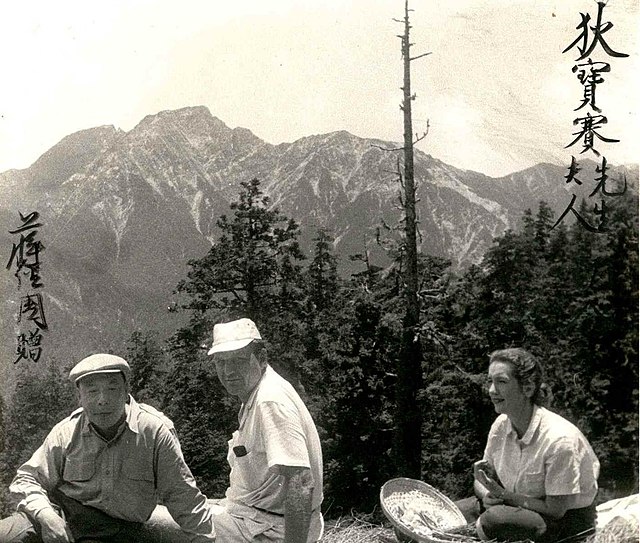
Inheriting an one-party state from his father, Chiang Ching-kuo turned the authoritarian state Taiwan was shaping up to be into a democracy. Ed Green discusses the political development of the Republic of China and Ching-kuo’s legacy in present day.
-
The Nosy Neighbour: The United States and the Path to the Bolivian Revolution of 1952

The United States, despite attempting to distance itself from European imperialism, took part in a wider period of new imperialism, which notably saw the annexation of the Philippines, Hawai’i, and Cuba amongst others, creating an American pointillist empire. Aliya Okamoto Abdullaeva investigates US involvement in Bolivia.
 Retrospect Journal