
Category: Academic
-
Anatomy of a Cloud: The Invisible Infrastructure of Everyday Life
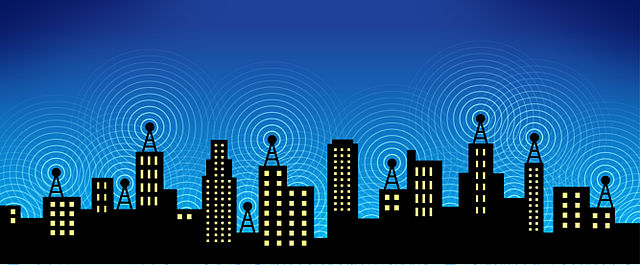
Wi-Fi is perhaps the most important, yet most obscure, infrastructural advancement of the 21st Century. Ailsa Fraser examines the physical structures associated with information age technology and how it has impacted the environment.
-
Rejecting Historical Conventionality under the 4B Movement and Hell Joseon: Evaluating the Rationale and Success of South Korean Youths in Performing Social Inactivity through these Frameworks

The 4B Movement and Hell Joseon reflect South Korean youths’ discontent against patriarchy, advocating for female empowerment, identity reconstruction, and societal escape from traditional norms. Harry Fry examines the success of these moments and their impact on youth experiences.
-
Isabel of Castile: Confronting the Myth of the Catholic Queen

Isabel of Castile’s legacy is complex, seen as both a powerful leader and a religious oppressor. Arianna North Castell explores the myths surrounding the infamous queen.
-
“Representative of an Entire Epoch”: Reflecting on the Complicated Nature of Queerness in Weimar Germany through Culture
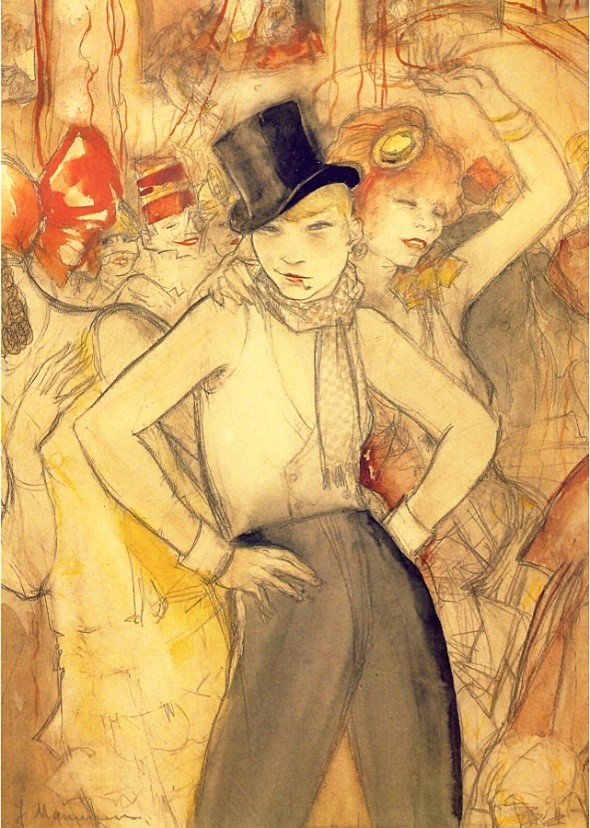
Logan McKinnon examines queer identities in Weimar Germany through art and cinema, highlighting societal fears, oppression, and the pursuit of love.
-
Solving the Three Body Problem: Isaac Newton’s Role in the Rise of Eighteenth-Century Celestial Mechanics

The three-body problem, which discusses the gravitational relationship between three independent objects, has remained one of the most intriguing unsolved mysteries in physics. Kat Jivkova analyze Isaac Newton’s approach to the three-body problem through his seminal work.
-
Positioned by Strings from Above? – Evaluating Historic Belief in an Orchestrator Controlling Society
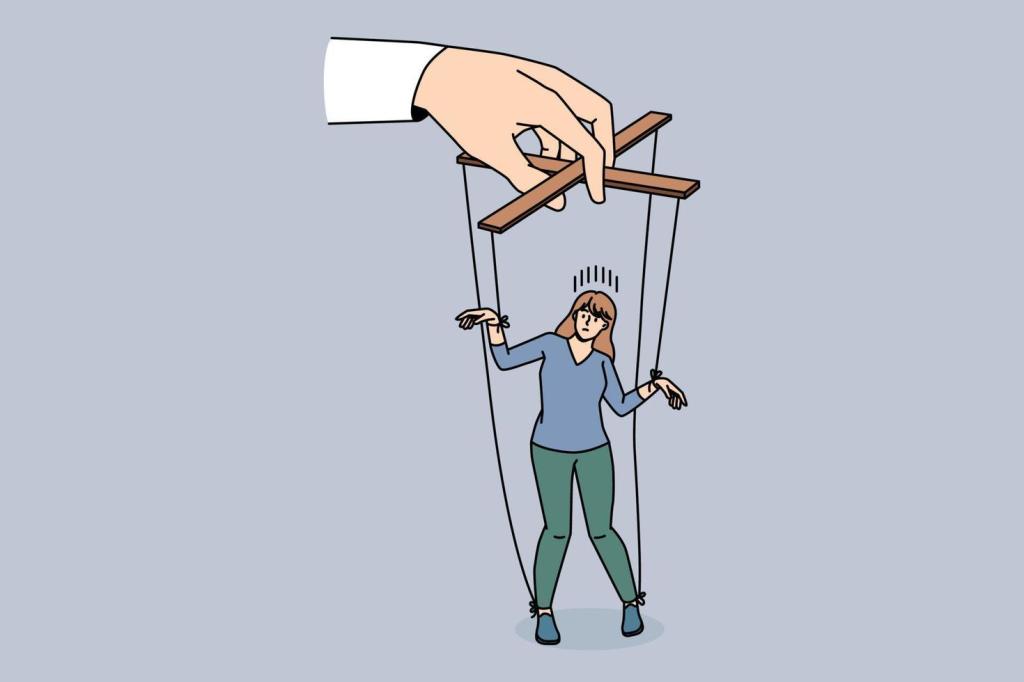
Harry Fry explores the concept of a higher power orchestrating human activity, examining it from religious, conspiracy theory, political ideology, psychological, and technological perspectives.
-
The Hausmann Reconstruction: How did Urban Growth in Paris Change the Social and Political Visibility of Women in the Second Half of the Nineteenth Century?

The second half of the nineteenth century saw significant changes in Europe’s urban environment, occurring against the backdrop of political upheaval following the revolutionary waves of 1848. Nancy Britten looks at the impact of urban growth in Paris on women, socially and politically.
-
Medicine as Autonomy: An Analysis of Enslaved Africans in Seventeenth Century Barbados and Jamaica
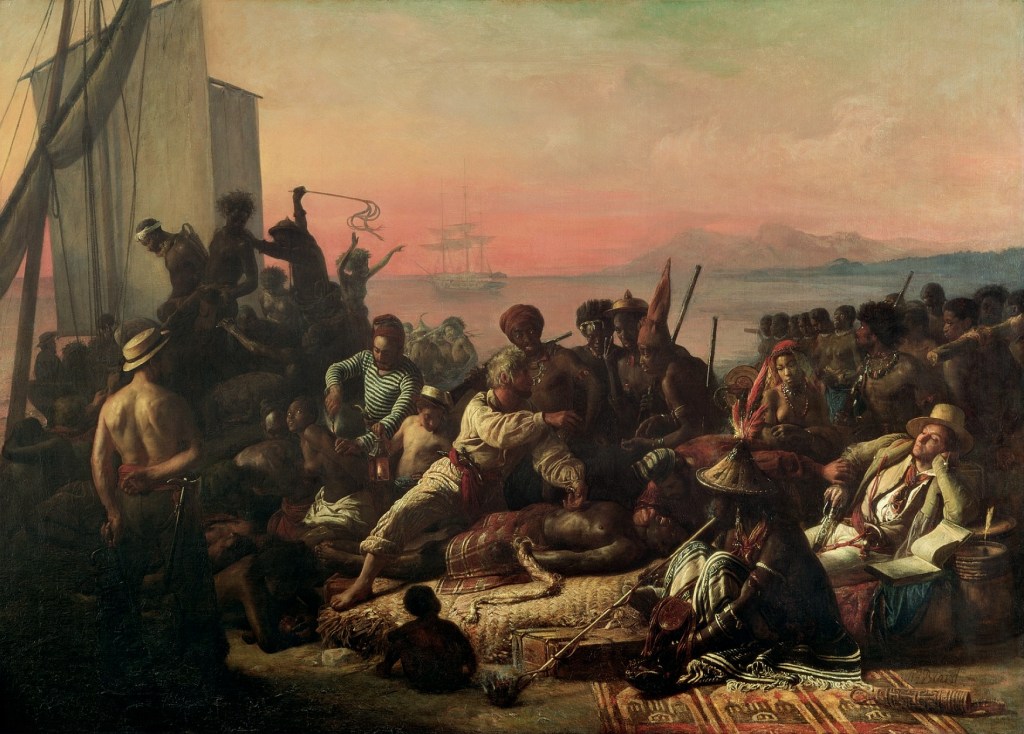
Between the years 1440 and 1720, two million enslaved Africans were forcefully shipped to the Americas. During this time the practice of medicine played a critical role in the survival and wellbeing of these slaves, but most importantly, provided them with agency. Nadja Dixon examines this medical expertise.
 Retrospect Journal