
Category: Academic
-
Hygeberht of Lichfield: Was He the Tool of the Mercian Kings?
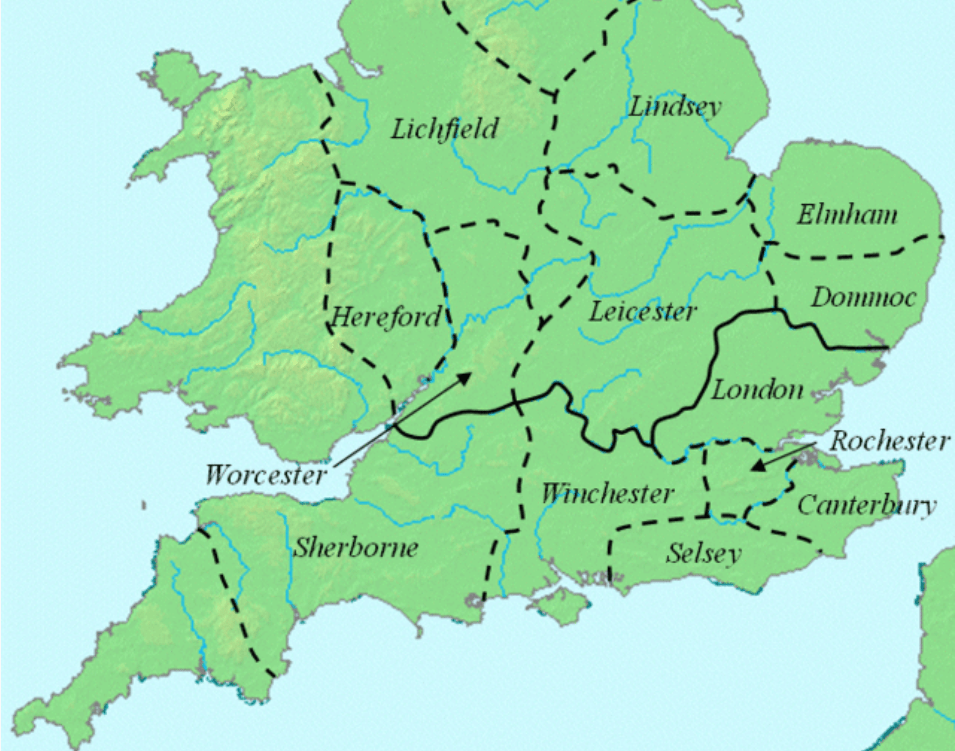
Archbishops are central figures within the history of the Church. Harry Child uncovers the lesser known history of the Archbishopric of Lichfield during the reign of the Mercian Kings.
-
The Art of Appearance: Thomas Jeamson’s Artificiall Embellishments and Female Identity
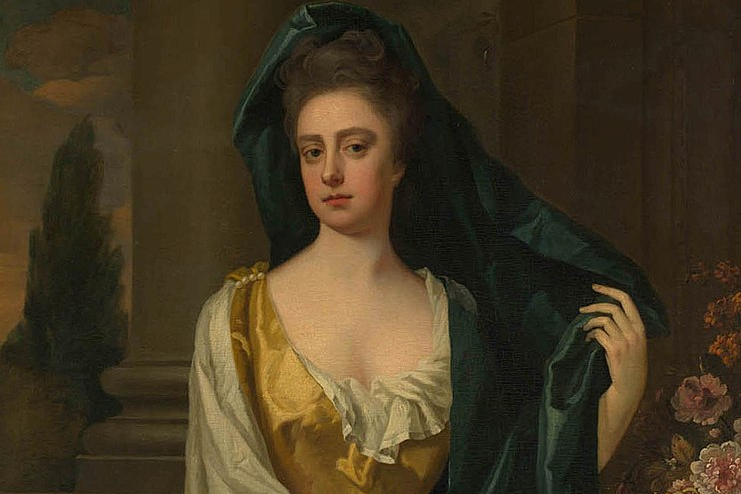
Maia Bennet explores how early modern women engaged with and participated in the culture of beauty through Thomas Jeamson’s Artificiall Embellishments.
-
Sowing the Seeds of Reconciliation: How Prisoners of the Second World War integrated into Rural Communities in Britain

Olivia Hiskett explores the integration of German and Italian prisoners of war (POWs) into rural British communities from 1942 to 1948.
-
Iconoclasm and Imperial Power: Christian Controversies in the Byzantine Empire
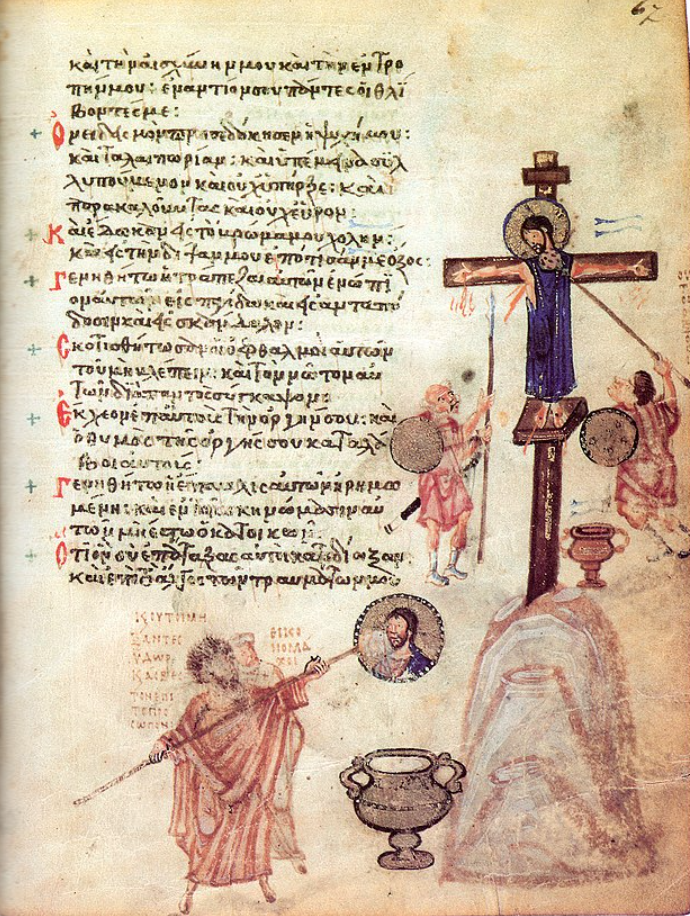
Iconoclasm is a highly significant debate in the history of Christianity. Anjaleen Hussain charts the debate over iconoclasm in the Byzantine Empire.
-
Between Confinement and Power: The Female Body in Classical Greek Society
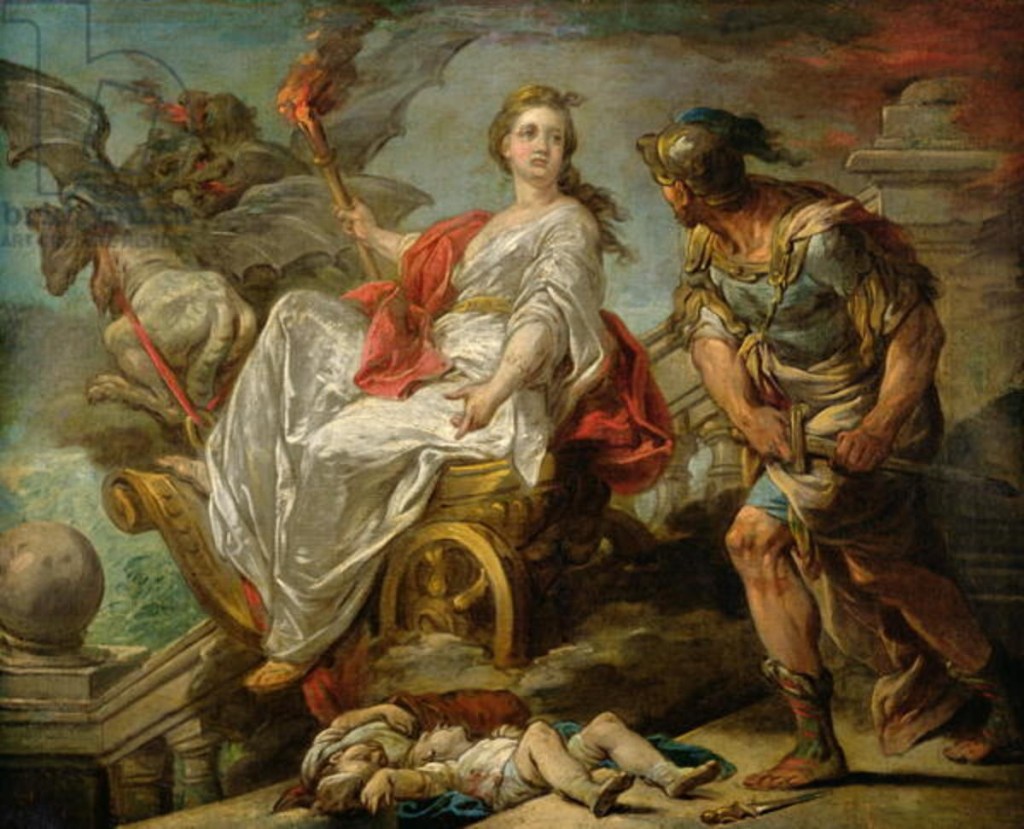
In Euripides’ Medea, the exploration of gender inequality reveals women in Classical Greece as constrained despite their essential contributions through motherhood. Angelina Castrucci evaluates how the female body is constructed under subordination and limited public agency, highlighting societal contradictions regarding women’s power and identity.
-
Desire and Transformation: Sex and Love in Apuleius’s Metamorphosis
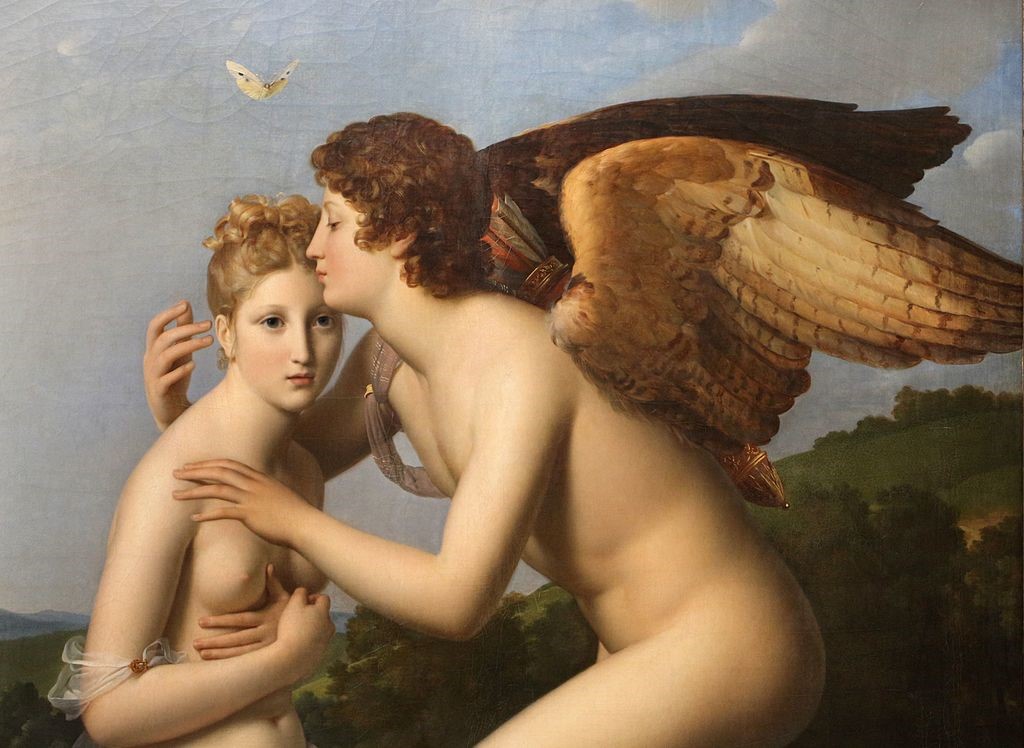
Apuleius’s Metamorphosis intricately explores the themes of sex and love through the protagonist Lucius’s experiences in the Roman Empire. Marnie Camping-Harris analyses how these elements shape the narrative, revealing societal standards and showcasing both heterosexual and homoerotic relationships throughout the novel.
-
“Strange divinity! Why Do You Deceive Me So?”: The Evolution of Aphrodite
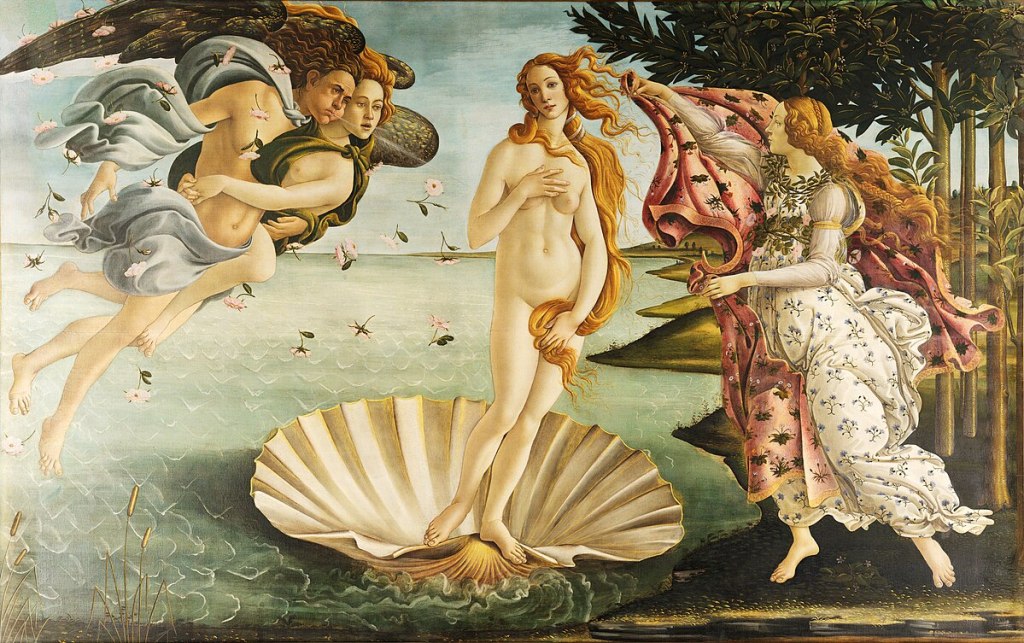
Arianne North Castell traces how the iconic figure of Aphrodite evolved from mythological roots, reflecting diverse cultural influences throughout ancient history.
-
Robespierre’s Religion? The Cult and the Festival of the Supreme Being in Revolutionary France
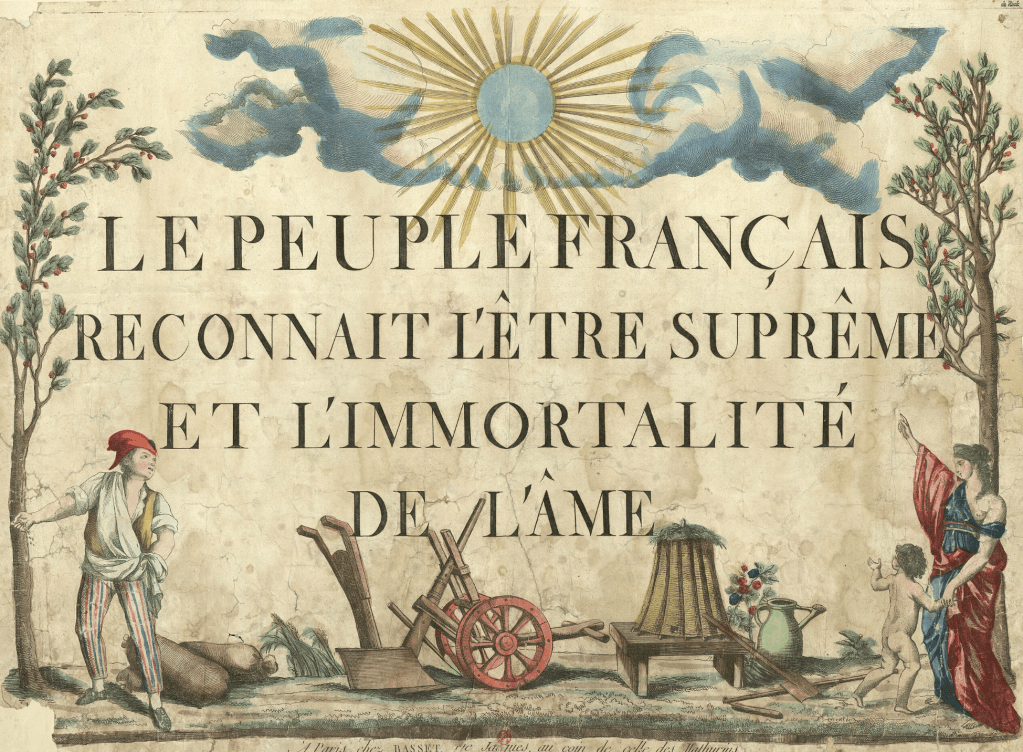
Hector Le Luel discusses how Robespierre’s political legacy has clouded perceptions of festivity in Revolutionary France.
 Retrospect Journal