
Category: Academic
-
From Factory Occupations to Forgotten: The Masculinisation of Scottish Deindustrialisation and the Women This Leaves Behind
Scottish women’s industrial contributions and resistance during deindustrialisation remain largely overshadowed by male-centric narratives. Lauren Hood offers an insight into the participation of women in the process.
-
Surviving a Breakup: The Maoist Perspective

In 1949, Mao’s victory transformed China, adopting Soviet-style governance. Emilio Luppino explores China’s ‘breakup’ with Soviet rule and the autonomous path charted by Mao.
-
Reflecting on Germany’s Role in the Collapse of European Peace in 1914
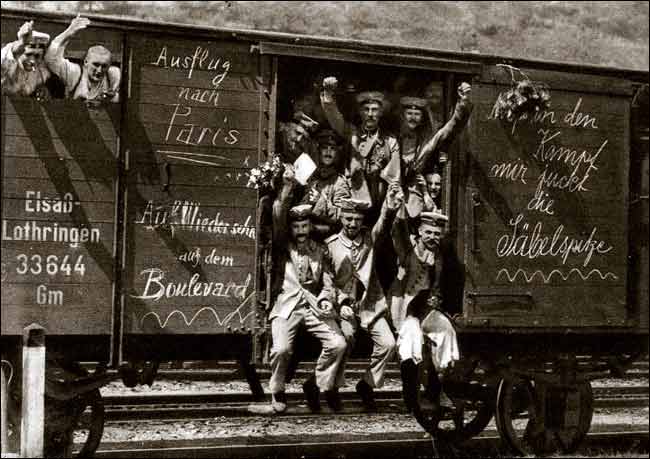
The origins of the First World War are of profound interest to historians. Sarah Zhou argues that German aggression was crucial to the collapse of peace in 1914.
-
Photography in the Armenian Genocide: Bearing Witness and Preserving Memory

Photography was a crucial medium through which the Armenian Genocide was documented. Lousia Steijger recounts the power of photographs in detailing acts of violence and inspiring humanitarian action.
-
The Shackles of the “New Soviet Woman”: How the Women of the Gulag Expose Fraudulent Claims to Gender Equality in the USSR
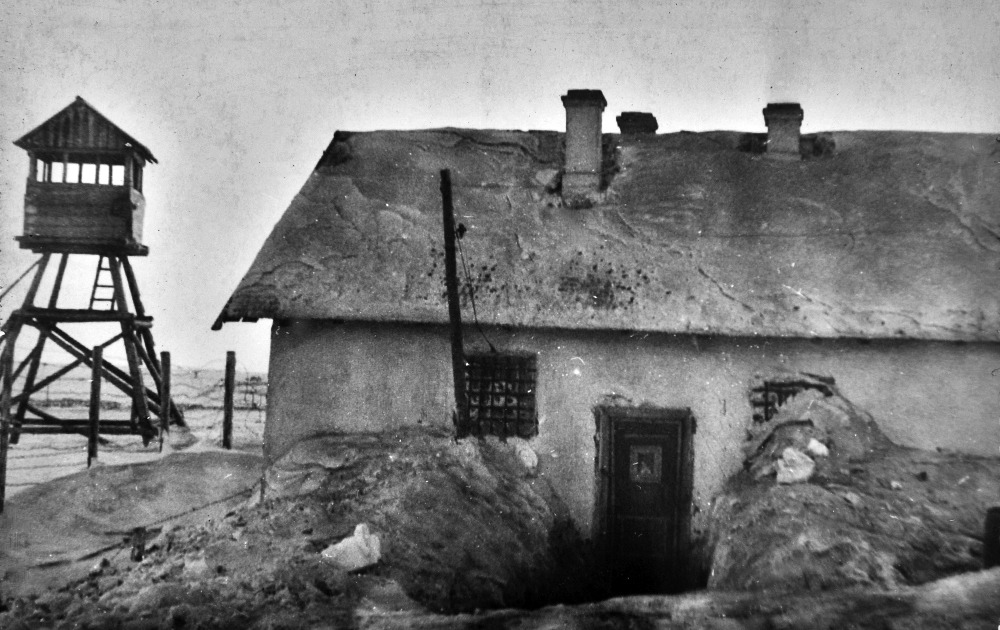
Olivia Hiskett explores how the Gulag exposes the contradiction between Soviet gender equality claims and women’s harsh realities, reflecting on their systemic oppression and exploitation.
-
Fifty Shades of Moral Panic: The Sex Wars and Sadomasochism

The fierce debate over Sadomasochism animates much of the discourse pertaining to the Sex Wars. Georgia Smith reconstructs the historiography of the subject, noting how sex is manipulated to serve certain political positions.
-
Purging the Government: How the Lavender Scare Targeted LGBTQ+ Federal Employees

Olivia Norbury examines how the Lavender Scare targeted LGBTQ+ federal employees, leading to systemic discrimination and influencing the gay rights movement’s origins.
-
Hard to Stomach: Discomfort and Dismissal in Histories of Cannibalism
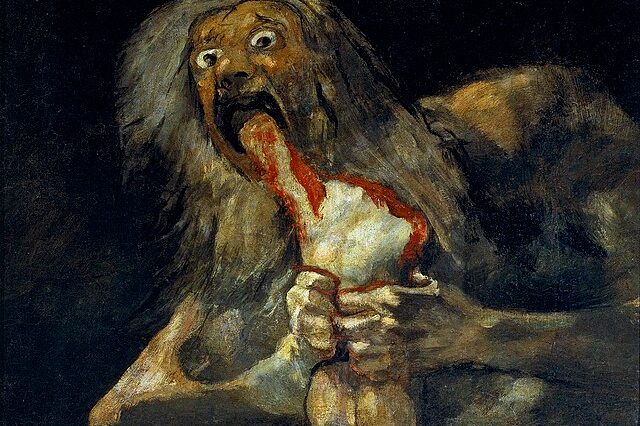
Ailsa Fraser confronts the troubling history of cannibalism, challenging the resistance from historians to touch the taboo subject.
 Retrospect Journal