
Category: Academic
-
The role of Khomeini in the 1979 Iranian Revolution

The 1979 Iranian Revolution resulted in the toppling of the Pahlavi dynasty and the creation of the Islamic Republic. Olivia Norbury acknowledges Khomeini’s role in unifying the Iranian people and cementing the ideology of political Islam. However, Norbury also seeks to explore other reasons for revolution, such as Shari’ati’s ideology and secular beliefs.
-
The art of travel in medieval England – dispelling the myth around medieval travel

Travel is often viewed as a modern phenomenon. Fleur O’Reilly wishes to counter this notion by exploring the various reasons, ranging from pilgrimages to trade, as to why medieval people of all social ranks travelled.
-
The Glorification of James Marion Sims
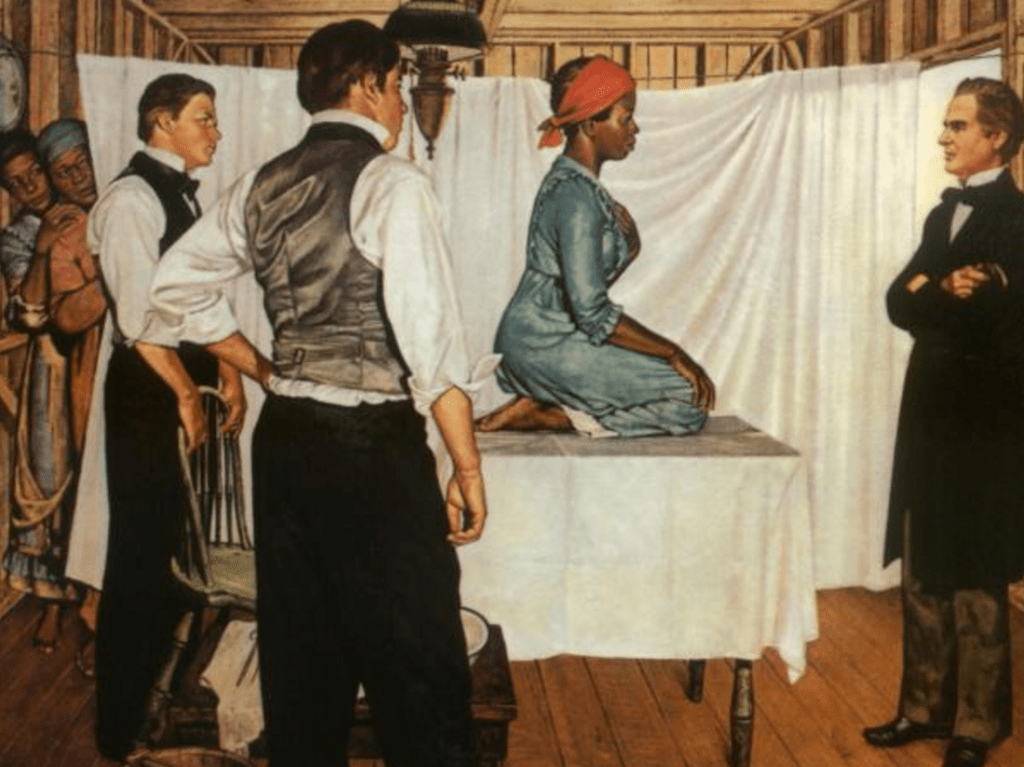
James Marion Sims, known as the “Father of American Gynecology,” achieved fame through surgeries on enslaved women, enduring unethical practices. Despite accolades, Eva Beere evaluates how his legacy is marred by exploitation and racial injustices, highlighting profound issues in 19th-century medical ethics.
-
NAGPRA: The Success and Struggle with US Repatriation Legislation
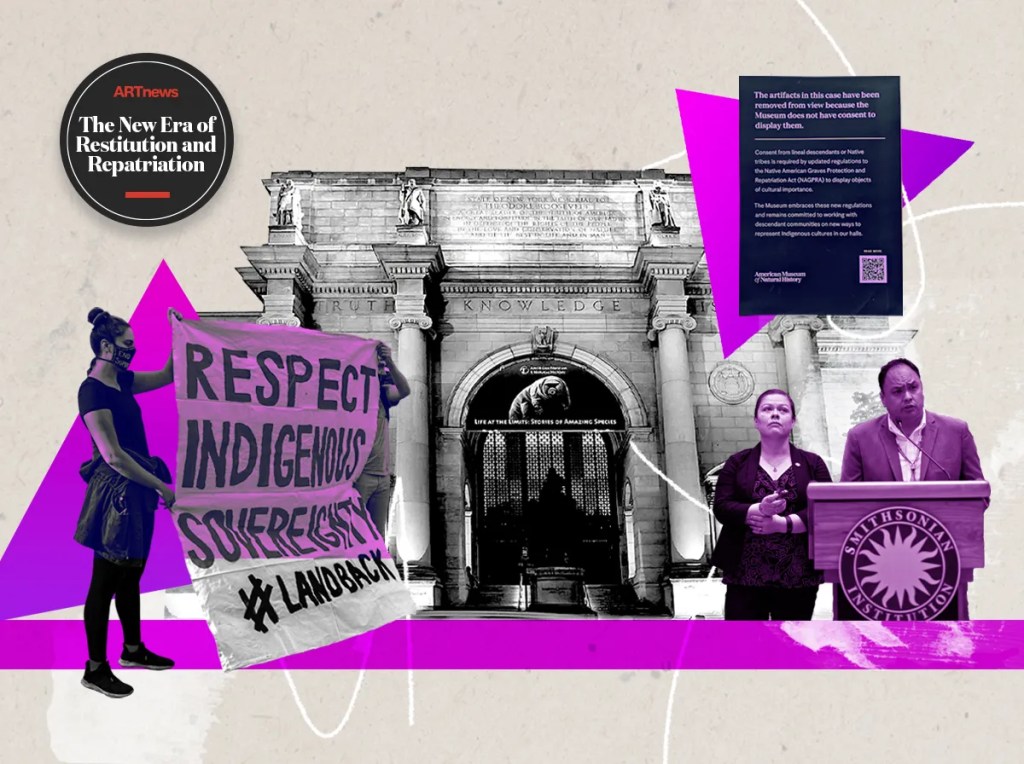
Michaela Hamman discusses how the U.S. government has tried to return Native American human remains and cultural objects taken by museums and institutions.
-
Steve Biko: The Black Consciousness Movement and its Ideological Struggle Against Apartheid

Edie Christian explores Steve Biko’s Black Consciousness Movement and its role in resisting apartheid.
-
The Times are Changing: Health, Productivity, and Daylight Saving Time in Britain, 1895–2025
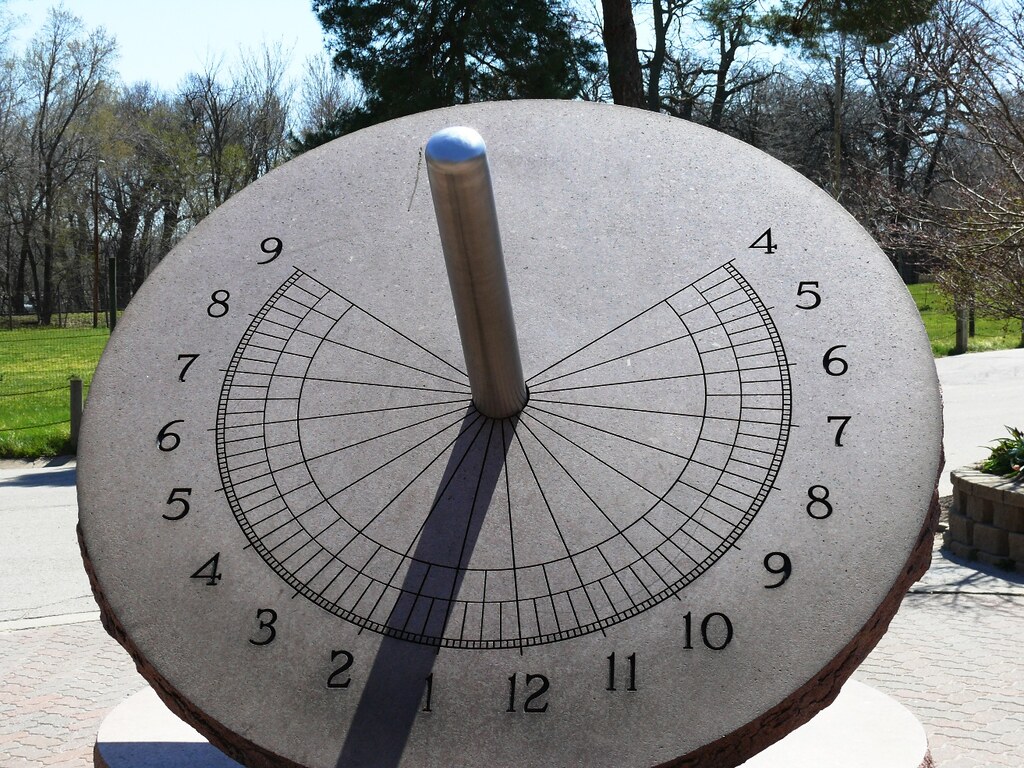
Ailsa Fraser explores the history of Britain’s Daylight Saving Time and how this reflects ongoing debates about health, productivity, and our relationship with time.
-
Textile Art: Decoration or Activism?

Textiles are a common art form that can evoke a range of emotions. Flora Gilchrist analyses how textiles were crafted during the civil rights movement in America to convey deep political meanings.
-
The Failure of Intervention in the Bosnian War

The Bosnian War (1992-1995) resulted from Yugoslavia’s collapse and the wider collapse of Communism in Eastern Europe. Louisa Steijger demonstrates how intervention in the conflict from the rest of world was delayed and ineffective.
 Retrospect Journal