

Written by Lauren Hood
26/10/25
On 7 June 1968, over one hundred and eighty women workers at the Ford car plant in Dagenham in England began striking over the classification and pay which their jobs had been given after company restructuring. The women worked as sewing machinists to produce car seat covers, the only position held by women, despite the thirty thousand members of staff which the Ford Dagenham car plant employed. The 1968 strike was significant as it was the first time women working at the Dagenham plant engaged in industrial action, with Johnathon Moss arguing that it became “fixed in post-war historical narratives of women and work.”
In 1967, new wage structures and job classifications at Ford led to the work carried out by sewing machinists being graded as category ‘B’, meaning that their work was regarded as “unskilled labour.” This angered the women who felt their work should have been deemed category ‘C’, “skilled labour,” which would have provided them with the same pay as men who were carrying out comparable work in other parts of the factory. Alongside anger about their job category classification, the wage restructuring lowered the wages of women workers from ninety-two per cent of the rate which their unskilled male colleagues were paid down to eighty-five per cent of their pay rate. Attempts to pressure Ford to reverse the changes to wages and job classification were unsuccessful, and ultimately led the women to strike. As a display of their solidarity, workers of the Liverpool Ford plant joined in on the strike action. The women’s industrial action gained support and attention nationwide, with other industrial workers offering support through smaller strikes, and government ministers joining trade union talks in an attempt to negotiate the women a fairer deal with Ford.
Speaking to the BBC, workers declared that they were prepared to go “as far as it takes” to receive fair job categorisation and pay, with them saying that they were prepared to stay on strike for a year to see their demands met. However, such drastic action was not needed as after less than a month of the strike, the workers at Ford Dagenham voted to return to work after they were awarded a pay rise – which reflected ninety-two per cent of the pay which their male colleagues received – and the promise of equal pay in the future.

Figure 1: Ford Dagenham workers speaking to the BBC, June 1968
The strike inspired women trade unionists to establish the National Joint Action Campaign Committee for Women’s Equal Rights (NJACCWER). An equal pay demonstration was organised by the NJACCWER in May 1969, witnessing over one thousand protesters gather in London’s Trafalgar Square demanding the ending of sex-based pay differences. The work of both the NJACCWER and the industrial action undertaken by Ford Dagenham’s women workers strongly influenced the Equal Pay Act of 1970, meaning that employees had to be given equal compensation for doing the same type of work, regardless of their gender. While the Equal Pay Act of 1970 was strongly welcomed, this did not influence the categorisation of job given to the labour carried out by the women workers at the Ford Dagenham plant; meaning that they were now paid equal to men of the same ‘B’ job classification, but not equal to men doing comparable work who were given the different ‘C’ job categorisation. This led to Rose Boland, a shop steward, saying “although we did get more money, we did not gain the point, we won a battle but lost the war.”
It would not be until 1984 that women workers at Ford Dagenham received the job categorisation of “skilled labour” – and the pay which came with it. National Union of Vehicle Builders shop steward Dora Challingsworth discussed how long the fight for fair pay and categorisation was for the workers, commiserating that “it was 1984 before we finally got recognition that ours was a skilled job.”
The 1968 strike was depicted in the 2010 movie Made in Dagenham, which went on to become a West End Musical. The accuracy of this movie has been called into question, with Johnathon Moss explaining that the movie aided to the strike being viewed as “a key point in the development of improved rights for women in Britain during the twentieth century” within public memory, but that “this was not necessarily how the sewing machinists had remembered it themselves.”
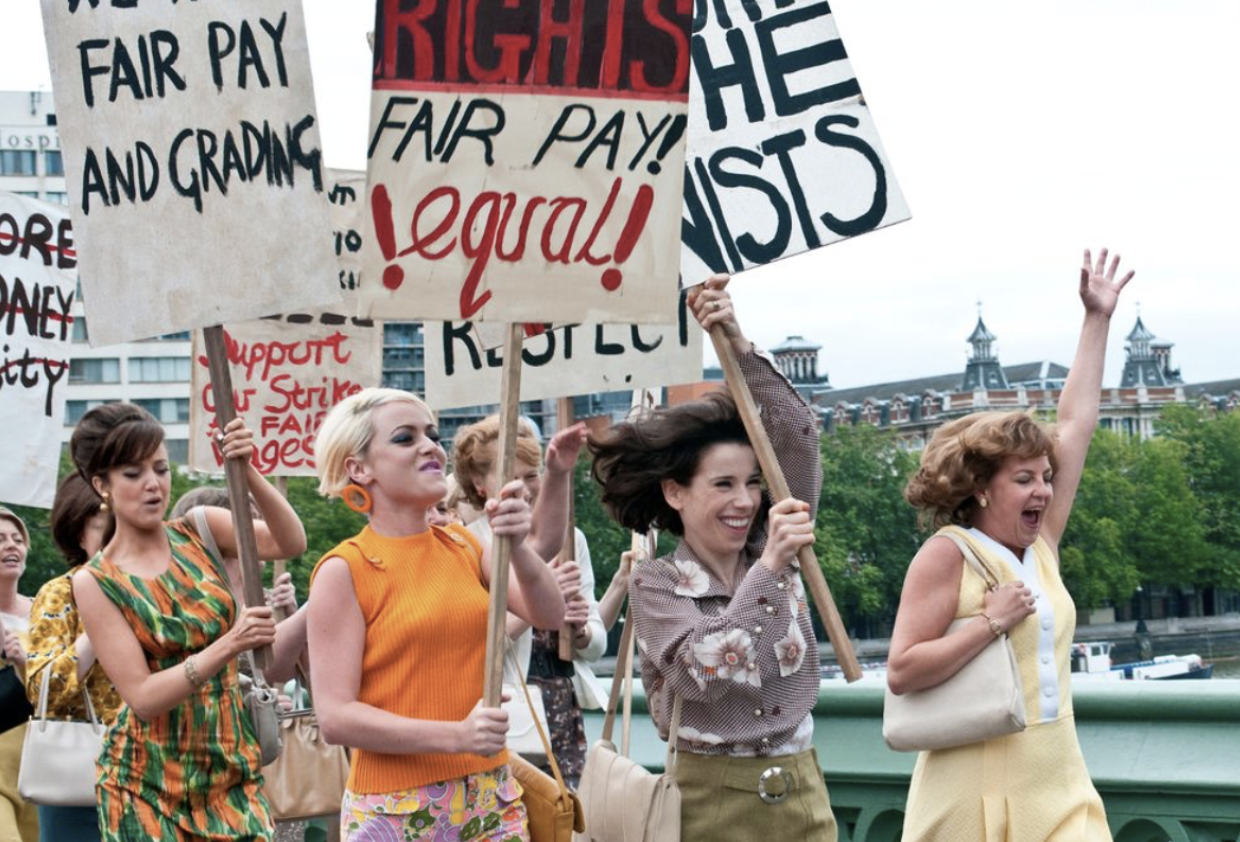
Figure 2: scene from Made in Dagenham, 2010
In conclusion, the 1968 strikes are remembered as a core success of the women’s equality movement, given the nationwide support and legislation which they inspired. Despite this, the striking women view their industrial action with a sense of frustration as their goal of being categorised as “skilled labour” was not achieved through their strike, taking another sixteen years. The story of the women at Ford Dagenham is nevertheless important, empathising the struggle which many women endured in their fight for comparable pay and working conditions to their male colleagues.
Bibliography
Katrina Gulliver, ‘Ford’s Striking Dagenham Women’, JSTOR Daily. 16 June 2024: https://daily.jstor.org/fords-striking-dagenham-women/ Last Accessed 12 July
TUC, ‘How Ford’s Striking Women Drove Equal Pay Act’, TUC. https://www.tuc.org.uk/workplace-guidance/case-studies/how-fords-striking-women-drove-equal-pay-act Last Accessed 12 July
Jessica Seigel, ‘1968: Ford Female Employees Win Strike for Equal Pay in Dagenham’, Libcon.org. https://libcom.org/article/1968-ford-female-employees-win-strike-equal-pay-dagenham Last Accessed 12 July
Sam Barker, ‘Famous ‘Made in Dagenham’ Ford factory site set to be transformed into 3,500 homes’, Mirror. 15 March 2022: https://www.mirror.co.uk/money/famous-made-dagenham-ford-factory-26473945 Last Accessed 12 July
‘1968: Dagenham Women’s Strike’, BBC: https://www.bbc.co.uk/videos/cqlwpp9pe4go Last Accessed 12 July
Nigel Cole, Made in Dagenham, 2010
Featured Image Credit: https://libcom.org/article/1968-ford-female-employees-win-strike-equal-pay-dagenham
 Retrospect Journal