
Written by Kate Phillips
Voices in the Evening is a slim, sleepy novel by Natalia Ginzburg set in a gossip-filled village through the war until the end of the 1940s. The key characters in the novel are Elsa, twenty-seven and living at home with her critical, quietly oppressive mother; Tommasino, the youngest son of the De Francisci family (who run the village factory) and with whom Elsa is having an affair; and Purillo, a former fascist who is now suicidal despite having switched sides and saved prime socialist party member Balotta De Francisci from execution.
Ginzberg’s husband was, in real life, executed by the fascists. The book is not a forgiving one; people stay in their roles and wreak subtle havoc on each other’s lives. “Why has everything been ruined?” is a question asked multiple times, by multiple characters, throughout the novel. However, Ginzberg treats the person as a much more intense lifeforce than their political choices. Purillo lives in shame and fear after the war’s end. When he confesses to a communist woman that he is considering suicide, she dismisses his seemingly illogical pattern of thought: “You were not the only Fascist!” she exclaims. Even as a communist, or because of being a communist, or, better yet, not considering political affiliation at all, the woman comforts Purillo in a blunt, but bluntly human, logical statement about the folly of politics sweeping over people in waves. It is an unstoppable force, yes, but the individual is deserving of attention, care, and compassion. Perhaps because the individual has the capacity for infatuation, intuition, change, regret, and sorrow all at once. Ginzburg does not plead for Purillo’s forgiveness, but she does offer rational, pragmatic evidence of his humanity.
Indeed, it was Purillo who bargained with the fascist party during the war in order to keep the De Francisci factory running, thus giving life and sustenance to the village. The idea could be viewed as a plot point for Purillo’s redemption. However, Ginzburg’s bleak, unromanticized prose reveal another possible, nuanced suggestion: fascism was both responsible for destroying the country of Italy, but keeping the specific village safe and functioning throughout the war. The suggestion is uncomfortable. But it points to even deeper fractures in Italy after the war’s end. Everything is not simply divided into good and bad, and who was good and who was bad. In accepting the fascists’ support for the factory, all the villagers are somewhat complicit. And although he was the village’s “only Fascist,” labeled as such by his community, Purillo was acting as a member of his own village as well as a political pawn of his country. While these questions of right and wrong, of guilt and shame, often are reflected many decades on from war or in later generations that are offered a full, bird’s-eye picture of all pieces involved, Ginzberg’s novel highlights the discomfort, confusion, and cynicism that are revealed when asking these questions in war’s own time and generation.
Although Ginzberg was an avid political activist, Voices in the Evening highlights her commitment to viewing the people behind conflict. The effects of war bleed onto everything, romantic and maternal love. The love between Elsa and Tommasino is pure and well-intentioned, but must remain hidden from the villagers relying on gossip and mistrust to sort and rationalize themselves and others. The affair must also be hidden from Elsa’s own mother, who adopts a controlling, unrealistic drive to keep everything as it was before: Elsa must remain a pure and naïve child, Italy too must remain whole and untouched.
“The places and characters in this story are imaginary. The first are not found on any map, the others are not alive, nor have ever lived, in any part of the world. I am sorry to say this having loved them as though they were real.” These are the words written by Ginzberg in the novel’s epigraph. All writers learn to love their characters. But the striking part here is that Ginzberg really did imagine them. Ginzberg has a masterful capacity to imagine a variety of personalities that have survived a war, and not rely solely on political affiliation or “seeable” trauma and loss in order to make both their personalities and their survival more vivid or believable. It is this capacity that makes the reader start to believe not in divisions or categories or empty blank spaces, but to believe in people.
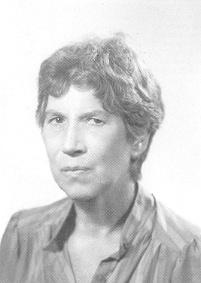
Featured image credit: “Natalia Ginzburg” by Unknown authorUnknown author is licensed under CC BY 4.0.
 Retrospect Journal