
Written by Lauren Hood
23/11/25
After continuous instability within the coal mining industry, reports of further job cuts and pit closures led miners and their communities to protest against the National Coal Board, leading miners across Britain to begin striking on 6 March 1984. To demonstrate their support, miners across Britain participated in the strike action, even at times when their own pits were not facing closures or job cuts. The action taken by British miners angered the Conservative government, with Prime Minister Margaret Thatcher labelling striking miners as “the enemy within”. Despite such government condemnation, support groups were established across Britain to offer support and funding for miners, including influential lesbian and gay support groups. Coalition formed between support groups with the aim of resisting the destruction of the mining industry and its communities; this was strongly motivated by “a struggle against a common enemy” of the Conservative government.
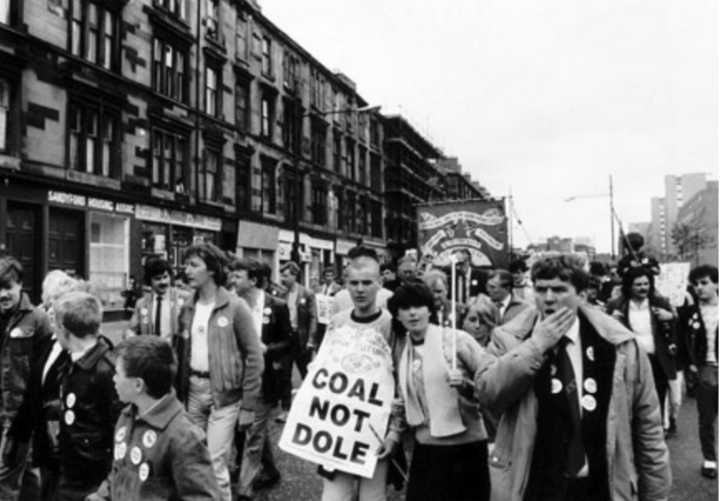
Figure 1: Protest within a Scottish mining community
The first lesbian and gay miners’ support group was established in London in July 1984, and by February 1985 eleven had been created across Britain. One such group was the Lothian Lesbian and Gay Miners Support Group, created in September 1984, with its twelve members raising forty pounds weekly for the White Craig Strike Center in East Lothian. Fundraising for miners became a core part of collective lesbian and gay support for striking miners after unions representing miners had their finances seized by courts. This was demonstrated by one London group raising around twenty thousand pounds, with a substantial amount of this money donated by the queer community in queer-friendly spaces, such as the Gay’s the Word bookshop in London. The fundraising efforts of the support group Lesbians and Gays Support the Miners led to the group building connections with mining communities. City Limits covered their November 1984 trip to Dulais in South Wales, where lesbians and gays were “welcomed into the miners’ homes for the weekend”, leading to “whole families … discussing gay rights and human sexuality over the tea-table”.
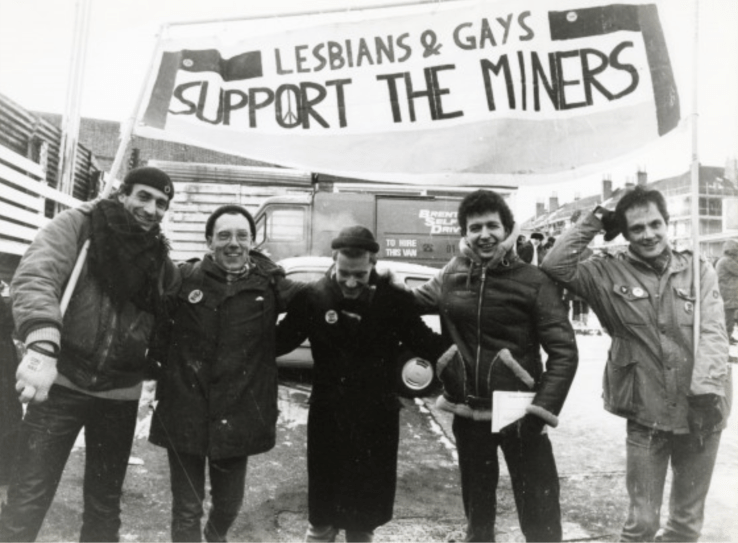
Figure 3: The London Lesbians & Gays Support the Miners group
The coalition created between mining communities and lesbian and gay support groups was built upon the struggles of both groups. While the treatment which mining communities faced was different to the struggles faced by many marginalised groups in British society, for many in mining communities the insecurity and poor treatment they faced from authorities was the first comparable experience they had to those of other marginalised groups. Diarmid Kelliher argues that shared experiences played an important role in coalition forming between mining and queer communities, believing that a shared distrust and strong presence of police in both communities caused concern, from arrests of gay men during pub raids to high police numbers in pit villages. Evidently, the treatment of mining communities during the strike allowed its members to better understand some of the treatment and challenges faced by members of the lesbian and gay support groups, helping to establish community between miners and members of queer communities due to a percieved similar poor treatment throughout society.
The political motivations of lesbian and gay support groups highlight the importance of coalition between support groups and mining communities. Lesbians and Gays Support the Miners highlighted the political fears which motivated their support: “if this strike isn’t won, we as lesbians and gays have a lot to lose when the Tories and their henchmen come for us”. The Conservative government was perceived as a threat to queer people, with many lesbian and gay people supporting striking miners to fight against both current and future governmental oppression, while aiming to preserve working-class mining communities. The political concerns which motivated lesbian and gay support groups were realised after the defeat of striking miners in 1985, with homophobic government policy and rhetoric increasing after the striking ended. Despite this, the coalition created during the strike was upheld, with members of the Dulais mining community meeting in 1988 to discuss the introduction of Clause 28, a “notoriously homophobic addition” to local government policy. Members of the Dulais community recognised that Clause 28 would harm a community which supported them in their attempts at resisting mine closures and attempted to return the support they received from lesbian and gay support groups.
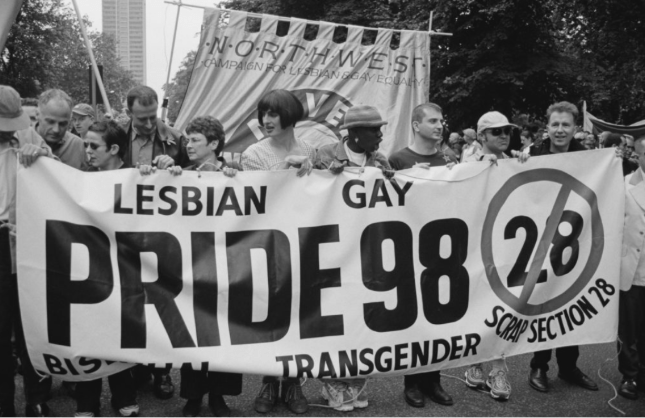
Figure 4: Protests Against Clause 28 at Lesbian, Gay Bisexual, and Transgender Pride event at London, 4 July 1998
In conclusion, the fear of governmental policy was crucial in building coalitions between mining communities and lesbian and gay support groups. This was demonstrated through the collaboration of miners with lesbian and gay groups, creating community based on a shared fear of government targeting of their respective communities. This danger which lesbian and gay members of support groups feared was realised after the strike ended, with harmful policies targeting their communities in the few years after the miners were defeated.
Bibliography
Diarmaid Kelliher, ‘Making Culture of Solidarity: London and the 1984-5 Miners’ Strike’, Twentieth Century British History (2022) https://academic.oup.com/tcbh/article/33/3/462/6459137?login=true
David Nettleingham, ‘Canonical Generations and the British Left: The Narrative Construction of the Miners’ Strike 1984-85′, Sociology (Oxford) (2017)
https://www-jstor-org.eux.idm.oclc.org/stable/26558658?sid=primo
Socialist Lawyer, ‘It Changed Miners’ Views of Gays’, Haldane Society of Socialist Lawyers (2009)
https://www-jstor-org.eux.idm.oclc.org/stable/42950348?sid=primo
Ian MacGregor and Rodney Tyler, The Enemies Within: The Story of the Miners’ Strike, 1984-5 (London: Collins, 1986)
Mike Jackson, Lesbians and Gays Support the Miners, Bishopgate Archive, https://www.bishopsgate.org.uk/collections/lesbians-and-gays-support-the-miners-bishopsgate-archive/
Reiss Smith, ‘On the Anniversary of Section 28 Coming Into Law, Fears are Growing that History is Repeating Itself’, Pink News https://www.thepinknews.com/2020/05/24/section-28-uk-scotland-what-was-anniversary-history-trans-rights-margaret-thatcher-liz-truss/
BBC, ‘The Miners Strike in Scotland’ https://www.bbc.co.uk/glasgowandwestscotland/content/image_galleries/miners_strike_gallery.shtml?14
Featured Image Credit: Bishopgate Archive, Lesbians and Gays Support the Miners https://www.bishopsgate.org.uk/collections/lesbians-and-gays-support-the-miners-bishopsgate-archive/
 Retrospect Journal