
Written By: Lauren Hood
Medical romance novels have offered continuous representations of women within the NHS since its creation in 1948, with publishers such as Mills & Boon, and their “mainstay” medical romances, becoming “a British institution”. Harlequin bought Mills & Boon in 1972 and they have since continued to publish around one hundred books a month in thirty-four languages, highlighting the popularity of their publications with readers. Shifts within romance novels to diversify women’s roles in medicine have been credited with reflecting the changing independence of women in post-war British society. This is demonstrated through the 1991 renaming of ‘doctor nurse’ romances to ‘medical’ romances. Yet, despite the portrayal of more women within medical romance novels as doctors and surgeons, they are often represented differently to their male colleagues: different personal qualities and duties are depicted between men and women in the same roles. Furthermore, the way in which women are represented within romance novels has not changed; women have continued to both be portrayed as preoccupied with their romantic relationships, and have their capabilities questioned. Therefore, this article will argue that despite the expansion of women’s represented roles, representations of women within medical romance novels have not otherwise changed, leaving them “inherently dependent on traditional gender roles.”
The expansion of medical professions held by women in romance novels meant that they were no longer solely portrayed as nurses but became increasingly represented in traditionally masculine professions like surgeons and doctors. Alongside their roles as surgeons and doctors, women in romance novels were also expected to undertake domestic duties when men in the same jobs were not. In the 1978 publication Surgeons in Love, surgeon Madeline is expected to fulfil domestic duties if nurses are unable to, such as giving out biscuits to patients and making them coffee, with this duty expected of her by her colleagues, including female nurses. This demonstrates that domestic duties were inherently expected of female medical characters due to their gender, despite their profession.
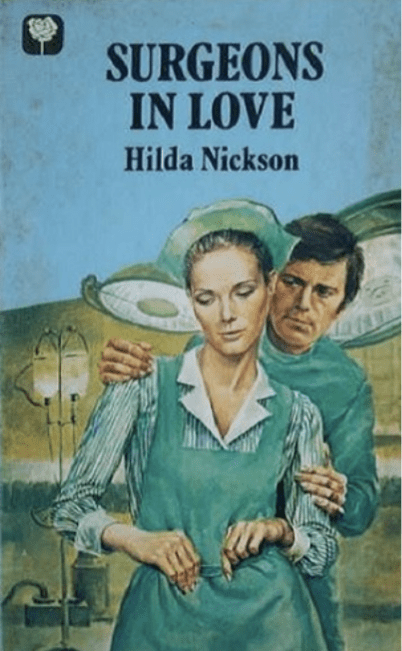
Figure 1: Nickson, Hilda. Surgeons in Love. London: Mills & Boon, 1978
Alongside being expected to carry out additional domestic duties, the capability of women in medical romance novels to carry out their work adequately is questioned. In A GP To Steal His Heart, the capabilities of Doctor Daisy are questioned by the male surgery practice owner: “[Daisy] was everything Thomas had feared she would be – loud, obnoxious and unwilling to adapt. The village deserved better from their GP.” Thomas’ internal monologue shows an assumption about the quality of care which Daisy would provide for her patients, despite never having seen her interact with patients or provide medical care. This assumption demonstrates how women in medical romances have their capabilities questioned as Daisy was automatically assumed to be underqualified and incapable of doing her job. The judgement of a woman’s capability in medical romance novels by their male colleagues – despite women being portrayed within more varied roles, highlighted by Daisy being a GP – suggests a stereotyping of women as inadequate in medical professions, while highlighting that the expansion of professions which women were represented as having within romance novels did not change how women were represented, offering an unsubstantial change to representations of women.
Furthermore, the increased variety of professions held by women is disregarded for their connection to men through the titles of medical romance novels. In the titles of the Brides of Penhally Bay series, which was released in 2011, female characters’ medical careers are disregarded, with women instead referred to by their role as a wife or partner, despite these characters being medical professionals and only entering romantic relationships towards the end of books. The title of Dr. Devereux’s Proposal, released in 2008, reveals the medical profession of Gabe Devereux, but does not refer to Laurie’s profession as a physiotherapist. Similarly, in the title of the 2007 release The Doctor’s Bride by Sunrise, paramedic Maggie is referred to as “bride” while her romantic interest Adam is referred to by his profession as a doctor. The labelling of women by their connection to the men in the books in the Brides of Penhally Bay series contradicts Jessica Miller’s argument that representations of gender within medical romance novels have “changed with the times.” Miller argues that a change in representations of gender reflects the changing position of women in post-war British society, leading to more independent female characters in romance novels who were not solely focused on their romantic relationships, but held a desire to advance their careers. The titles of the books in the Brides of Penhally Bay series therefore contradict this argument, as women are referred to not by their successful medical careers, but their relationship to men, countering the notion of female independence which Miller believes medical romance novels encouraged.
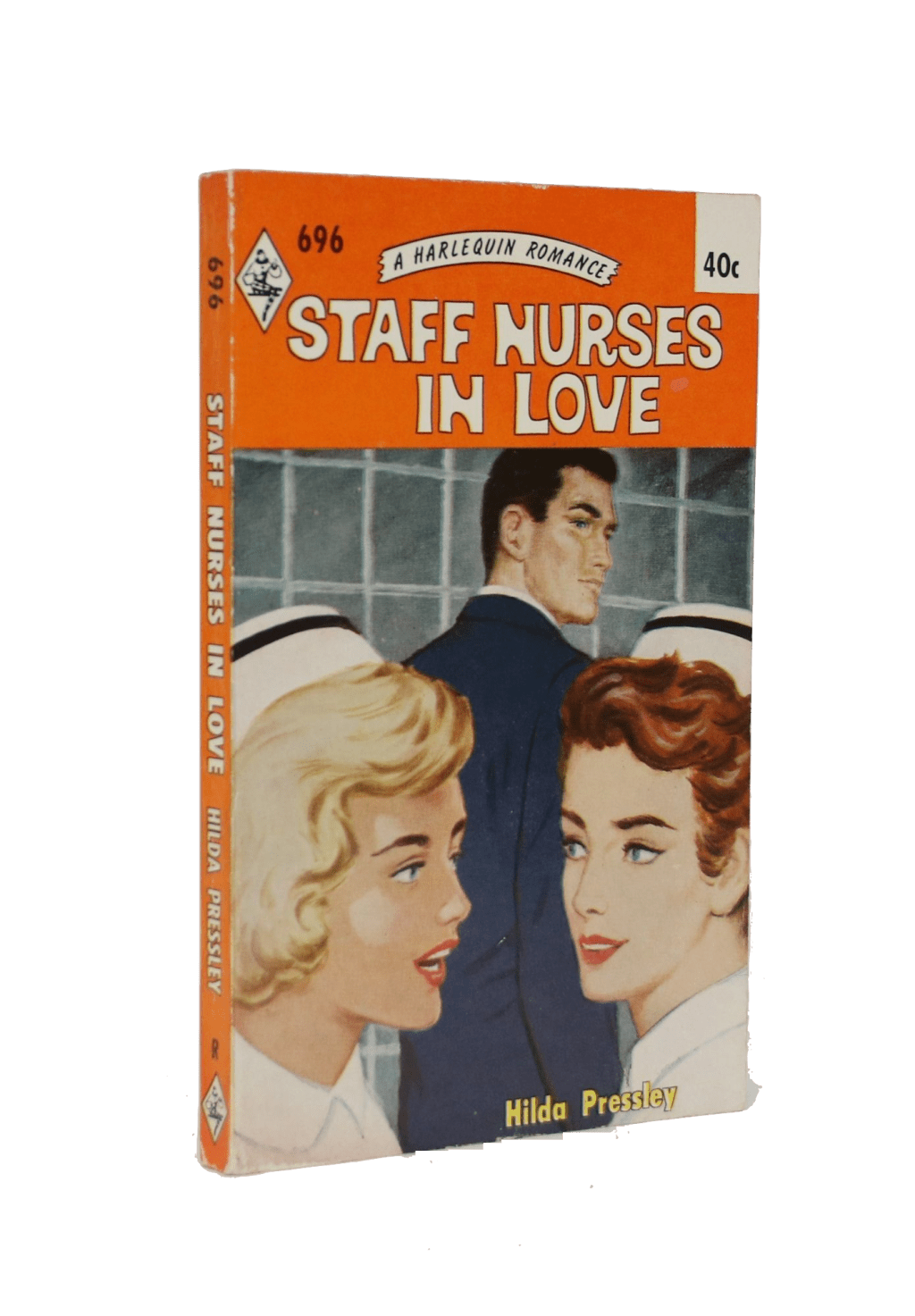
The importance of women’s romantic connections to male characters is not only evident within the titles of medical romance novels, but within the interactions between characters. Women are depicted as less committed to their profession than their male colleagues, strongly due to their preoccupation with their romantic relationships. In the 1962 publication Staff Nurses in Love, Brenda is portrayed negatively due to the assumption that she is pursuing a nursing career to secure social mobility through marriage. Another 1962 publication Surgeons in Love includes a female nurse who wishes to pursue a career, despite her relationship to a colleague, which is discussed negatively: “Peter had always liked Margaret, but while she had been pursuing her career to the detriment of all that was fine in her nature, he held back”. This representation implies that it was unnatural for a woman in medicine to want to pursue a career, as this is represented as a hinderance to her relationship with a colleague which the author has presented as more important. Furthermore, the description of this pursuit of a career as unnatural reflects the controversy surrounding married women continuing employment, despite an increasing trend of this during the 1960s. While this example comes from a medical romance novel which depicts two surgeons and therefore highlights the expansion of the medical roles in which women were depicted, regressive views about the position of women remained, with female characters portrayed negatively for wanting to pursue a successful career alongside marriage. The 2024 publication Winning Over The Off-Limits Doctor describes how “Mattie could very easily throw caution to the wind for that smile”, referring to her new colleague Llwyd. This is reminiscent of the discussed 1960s publications where women were written as being preoccupied with their romantic relationships or perceived as unnatural for not being so. When discussing trends within Mills & Boon medical romances, Agnes Arnold-Foster argues that some “articulated restrictive or regressive ideas about the social and professional role of women.” The authors of medical romances continually representing women as engrossed by men, often putting this before or in competition with the duties of their job, supports Arnold-Foster’s argument, which is further supported by the negative portrayals of women continuing their careers after marriage.
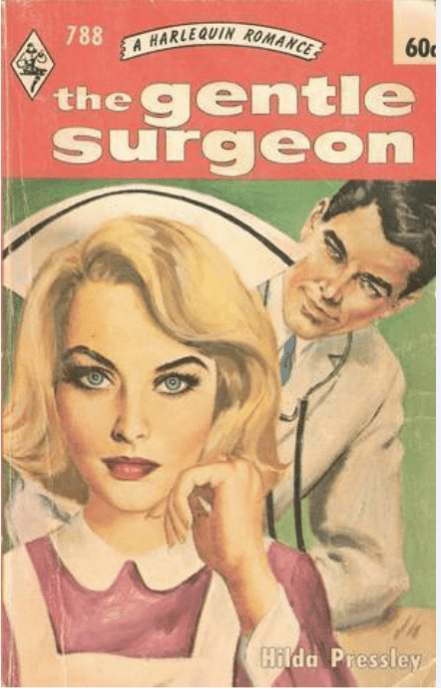
Figure 2: Pressley, Hilda. The Gentle Surgeon. London: Mills & Boon, 1963
Due to the importance of a woman’s relationship in the representation of her character, her appearance within medical romances is used to indicate her connection to the romantic plot. When discussing the appearance of a patient in The Gentle Surgeon, nurse Christine describes her as “quite beautiful,” believing that her fiancé and colleague Rob “would be less than human if he failed to be attracted to her, [she] could be a most formidable rival to any woman.” Christine’s discussion of the threat which a patient posed to her romantic relationship implies that she is unable to separate her personal and work lives, with this questioning her ability to provide adequate care in her role as nurse. The connection between excessive emotion and women in Mills & Boon romance novels like The Gentle Surgeon was highlighted by Agnes Arnold-Foster and Alison Moulds, who argue that female characters were represented as “medically skilled but emotionally incontinent.” Christine’s character supports this claim, as despite appreciating her colleagues who expressed “kindness and gentleness” when caring for patients, she herself did not act this way when she felt her romantic interests were at risk. A woman’s appearance was also used to dispel her threat to the romance plot, with Sister Abbot in The Gentle Surgeon described as “plump and verging on middle age.” This description symbolised the lack of threat which Christine felt Sister Abbot posed towards her engagement and led to her interacting with this colleague more positively than how she interacted with her patient, by whom she felt threatened. The appearance of women being used in romance novels to determine their role within the novel furthers the narrative that women in medical professions are preoccupied with their romantic relationships, solidifying that representations of women within medical romance novels depicting the NHS have not changed beyond the expansion of roles in which women are represented.
Bibliography
Baine, Karin. A GP To Steal His Heart. London: Mills & Boon, 2022.
Claydon, Annie. Winning Over the Off-Limits Doctor. London: Harlequin Enterprises, 2024.
McDonagh, Margaret. Dr Devereux’s Proposal. Richmond: Mills & Boon, 2008.
Metcalfe, Josie. The Doctor’s Bride by Sunrise. Richmond: Mills & Boon, 2007.
Nickson, Hilda. Surgeons in Love. London: Mills & Boon, 1978.
Pressley, Hilda. Staff Nurses in Love. London: Mills & Boon, 1962.
Pressley, Hilda. The Gentle Surgeon. London: Mills & Boon, 1963
Williamson, Val. “Labour of Love: Gender and the Delivery of the Nineties Mills and Boon ‘Medical’” in Medical Fictions. Liverpool: John Moores University, 1998. Edited by Nickianne Moody and Julia Hallam.
Arnold-Foster, Agnes. “Cold, Hard Steel: The Myth of the Modern Surgeon” in Surgeons in Film, Fiction and on TV Screens. Manchester: Manchester University Press, 2023.
Arnold-Foster, Agnes. ‘Racing Pulses: Gender, Professionalism and Heathcare in Medical Romance Fiction” in History Workshop Journal 91, no. 1, 2021.
Arnold-Foster, Agnes and Alison Moulds. “Medical Women in Popular Fiction” in BMJ Opinion, 2018.
Bivins, Roberta. “Picturing Race in the British NHS, 1948-1988” in Twentieth Century British History 28, no.1, 2017.
Cockcroft, Dawn. “The Connections Between and Among Women are the Most Feared, the Most Problematic, and the Most Potentially Transforming Force on the Planet. How Did the Rise of Sixties Feminism Impact on the Publishing Output of Mills & Boon” in The Journal of Publishing Culture 9, 2019.
DeVries, Susan, Margaret Dunlop, Suzanne Goopy, Wendy Moyle and Diane Sutherland-Lockhart. “Discipline and Passion: Meaning, Masochism and Mythology in Popular Medical Romance” in Nursing Inquiry 2, no. 4, 1995.
McAleer, Joseph. “Love, Romance and the National Health Service” in Classes, Cultures, and Politics: Essays on British History for Ross McKibbin. Oxford: Oxford University Press, 2011. Edited by Claire V. J. Griffiths, James J. Nott and William Whyte.
Miller, Jessica. “Passionate Virtues: Conceptions of Medical Professionalism in Popular Romance Fiction” in Literature and Medicine 33, no. 1, 2015.
Thomson, Matthew. “Representations of the National Health Service in the Arts and Popular Culture” in Posters, Protests and Prescriptions: Cultural Histories of the National Health Service in Britain. Manchester: Manchester University Press, 2022. Edited by Jennifer Crane and Jane Hand.
Featured Image Credit: Pressley, Hilda. Staff Nurses in Love. London: Mills & Boon, 1962.
 Retrospect Journal