
Written by Emily Jones
13/04/25
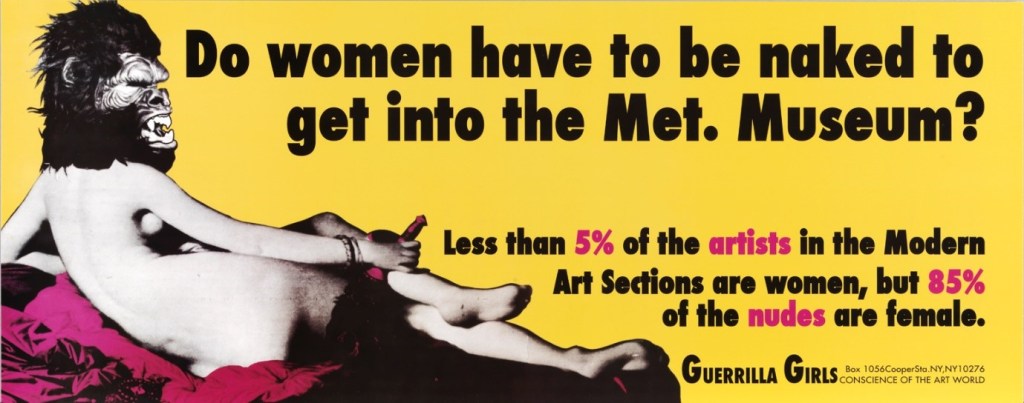
Figure 1 (Featured Image) – Guerrilla Girls, Do Women Have To Be Naked To Get Into The Met. Museum?, 1989, New York, The Metropolitan Museum of Art.
Starting from the late 1960s, the western Feminist Movement reached the arts. Feminist Art gave women artists the freedom to create communication between their artwork and its viewer to portray the problems they faced in navigating the patriarchal social landscape of the art world. The movement was about breaking the current precedent to incite a change in stereotypes of women and influence the social and cultural attitudes of the public. Consequently, Feminist artists adopted unorthodox mediums such as performance, digital and textile art, which had been previously disregarded by their male counterparts, to allow for a wider variety of artistic perspectives that would eventually expand the definition of fine art. Many issues were addressed through these mediums. For instance, the sign ‘woman’ is only used to denote male creativity because they are marginalised in the art community. Regarding art creation, women are peripheral beings or objects used only in male art to symbolise aestheticism and beauty. Additionally, Feminist Art also frequently questioned the assumptions patriarchal society made about womanhood, raising the issue of the wrongly perceived female experience.
The heavily addressed issue of the marginalisation of women in art and how the sign ‘woman’ is used to denote male creativity exposes the social construction that men make art and women are its object. Throughout art history, women have served only one purpose in male art, the motif. The female body was portrayed to be viewed as a figure expressing beauty, but more commonly, women were subjugated to represent sexuality and erotica. Lisa Tickner corroborates that while women have been the embodiment of virtue in art, they have also been the instigator and repository of sin. Erotic images of women were typically constructed by men and intended for a male audience to passively submit to their sexual fantasies. Do Women Have To Be Naked To Get Into The Met. Museum? (Fig. 1) by the Guerrilla Girls intervened in the marginalisation of women within art. The Guerrilla Girls are a feminist art group who utilised a highly visible approach to weaken oppressive practices in the art world. The poster is one of thirty published in a portfolio entitled “Guerrilla Girls Talk Back”. The motif of the naked woman reclined, wearing their trademark gorilla mask signifies that women still struggle for representation and exposure within museums and galleries. Statistics from the 1984 international survey of painting and sculpture corroborate the underrepresentation of female artists, as less than five per cent of the artists in the MET modern art sections were women, but eighty-five per cent of the nudes were female. Ultimately, their work is a feminist satire with the underlying goal of ending the humourless woman stereotype. Thus, this signifies how women are objectified and yet significantly underacknowledged within the artistic realm.
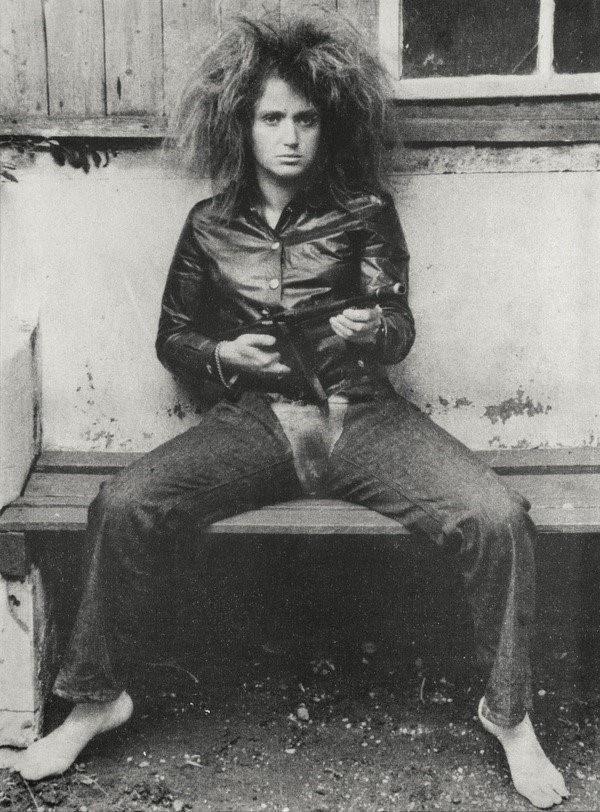
Figure 2 – Valie Export, Action Pants: Genital Panic, 1969, New York, The Museum of Modern Art.
Female subjugation in art connotes the male gaze, and the women of the Feminist Art Movement from 1970 to 2010 frequently sought to reclaim their female bodies and portray representations of women for women, instead of for the heterosexual male viewer. The notion of focusing on a female perspective was essential to achieve this. Valie Export aimed to subvert gender roles to allow women’s newly emerging self-exploration and political empowerment to be displayed to the male gaze. Export utilised performance art and films to integrate ideas of sexuality and pleasure to directly confront the viewing audience with the sexually charged female body. In all her works, Export used her own body, thus significantly bringing a personal aspect to her work and effectively exhibiting a body that does not conform to the social restrictions laid down by a patriarchal society. Rather, Export takes control of how her body is portrayed. Genital Panic is a prime example of one of Export’s performance pieces. The piece occurred in the Augusta Lichtspiele art film cinema in Munich, where Export walked the aisles wearing masculine clothing. However, a hole was cut out at the crotch of her trousers displaying her pubic hair and genitalia. This contrasted the masculinity of her outfit and presented a confrontational display of the female sexual body. Her aim was to expose the hidden apparatus of the gaze by separating the female body from the pornography watched by men in dark spaces and materialising it in the public realm. By displaying her genitalia in public, Export diminished men’s power over her body, threatening patriarchal culture. The actual performance of Genital Panic was never documented, but later, Export was photographed in the trousers she wore, named her “Action Pants”. Demonstrated in, Action Pants: Genital Panic (Fig. 2), Export sits in a masculine position with her legs spread, showing the hole where her pants are cut, confrontationally staring straight at the viewer. Her hair stands on end above her head, emphasising the wildness of the piece and her socially unacceptable behaviour. Unlike her performance, she holds a gun in the photographs, symbolising her attempts to subvert socially constructed gender roles as there is a juxtaposition between a male-coded machine gun and female genitalia. Similar to Genital Panic, Export uses comparable devices to achieve the same aim in Tap and Touch Cinema (Fig. 3), where she challenged the public to interact with her real, female body instead of images on a screen to confront socially accepted means of oppressing women through pornography. Therefore, women who have been marginalised and subjugated to the male gaze sought to take back ownership of their own bodies through subversive art pieces.
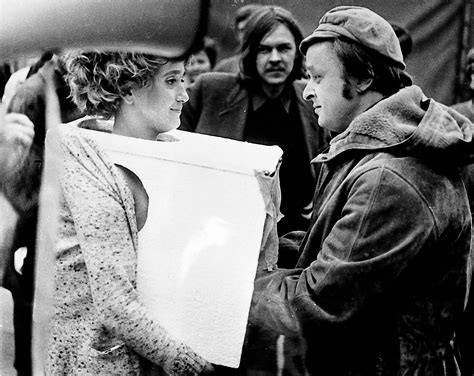
Figure 3 – Valie Export, A still from Tap and Touch Cinema, 1968-1989, New York, The Museum of Modern Art.

Figure 4 – Martha Rosler, A still from Semiotics of the Kitchen, 1975, New York, Museum of Modern Art.
Ultimately, the male gaze forces the female gender to submit to the notions of femininity. This created an issue that was addressed through the Feminine Art movement, in which our patriarchal society forces assumptions surrounding womanhood without the knowledge to understand it. Visual portrayals of women by men lack direct knowledge of what it is to be a woman. Consequently, artists look to demonstrate the female experience and their identity through their artwork. For example, Semiotics of the Kitchen by Martha Rosler (Fig. 4) is a performance piece demonstrating the female experience of being in the kitchen while defiantly using the media of kitchen utensils — considered to be tools of women’s work — to emphasise that the kitchen is not the only place a woman belongs. As a response to the saying a women’s place is within the home, Rosler appears as an apron-wearing housewife and mimics a television cooking demonstration. Expressing the anger she feels towards the oppressive women’s roles, Rosler’s gestures are sharp as she alphabetises the tools found in her domestic space. Shigeko Kubota and her Vagina Painting (Fig. 5) also demonstrate the female experience as in her performance: she attaches a paintbrush to her underwear and creates menstrual-like smears with red paint as she moves in a squatted position over a large piece of paper. This created a statement by feminising the term ‘action painting’ that was created from Abstract, Expressionist painter Jackson Pollock’s paintings. It can also be seen as a testimony to female menstruation, something that is considered taboo due to the domination of patriarchal society. Thus, contemporary feminist artists reject patriarchal norms and instead reinvent what it means to produce feminine art.
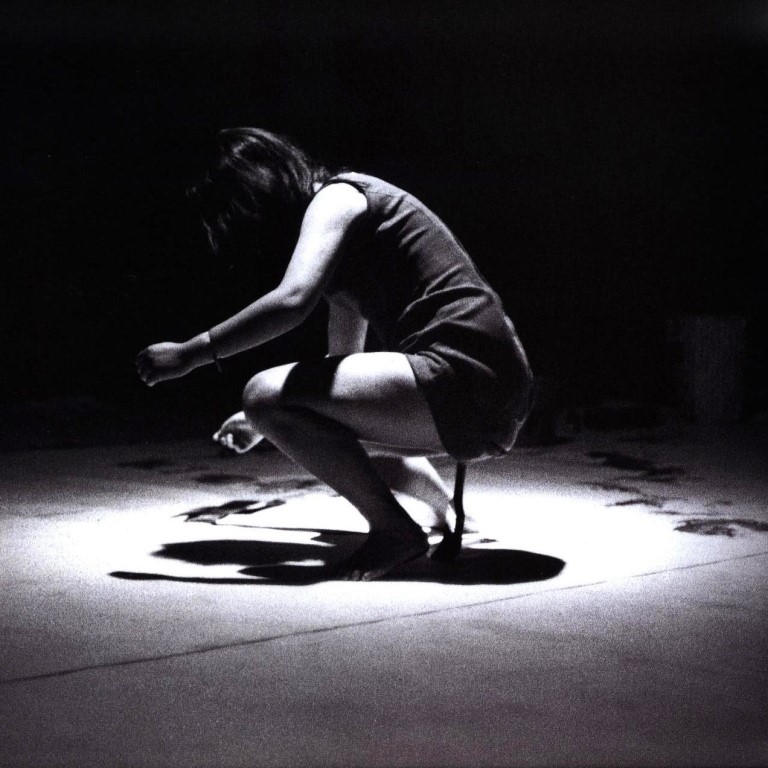
Figure 5 – Shigeko Kubota, Vagina Painting, 1965, New York, The Museum of Modern Art.
Bibliography
Brand, Peg. “Feminist Art Epistemologies: Understanding Feminist Art.” Hypatia 21, no. 3 (2006): 166-89.
Chadwick, Whitney. “Review of Women, Art and Power and other Essays by Linda Nochlin.” Woman’s Art Journal 11, no. 2 (1990): 37-38.
Tickner, Lisa. “The Body Politic: Female Sexuality & Women Artists since 1970.” Art History 1, no. 2 (1978): 236-247.
Wentrack, Kathleen. “Female Sexuality in Performance and Film: Erotic, Political, Controllable? The Contested Female Body in the Work of Carolee Scneeman and Valie Export.” Journal of Art History 83, no. 2 (2014): 148-167.
 Retrospect Journal