
Written By: Alice Ashcroft
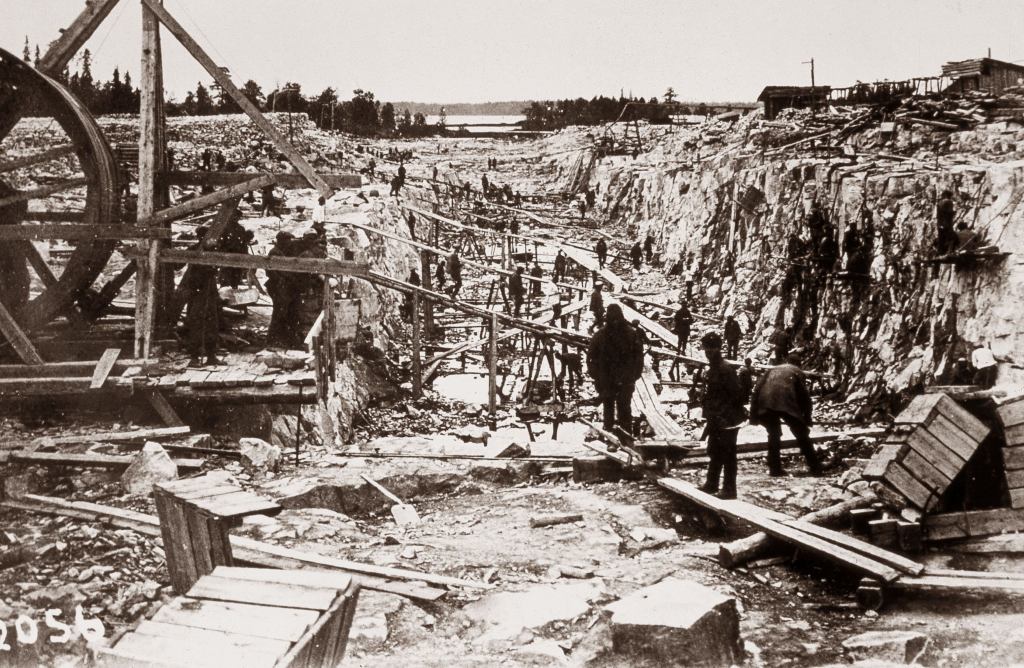
The classic image of a Zek (a prisoner of the Soviet Gulag) is a man, rich in forced labour and poor in everything else. On the other side of the fence are the women, trying to glimpse their arrested husbands before they are taken away to the Gulags, raising their children alone, scrimping to budget for parcels to send to them which will likely never arrive. Even in the context of warped Soviet justice, this fits into the stereotypical gendered worker and provider pairing. But what about the nearly twenty thousand women who, through connection with their husbands, brothers and fathers, were locked up in camps? And what of their children?
Kazakhstan refuses to forget the part that women played in the Gulag system. The Karlag museum, operating out of the old administrative building for the Kazakh Gulags and Alzhir, a museum built on the site of the Karlag’s female detachment, make women key to the history of the Kazakh camps. This reveals the pervasive ways in which the camp system ruined entire families, victimising not just husbands, brothers and fathers, but wives, sisters, daughters and children.
Alzhir is named after the categorisation for women in the camps: ChSIR, meaning members of families of traitors of the motherland. They were all there due to connection with imprisoned men, rather than as a result of their own actions (although many men themselves had often done very little to justify their arrests). These eighteen thousand women worked long, hard days, like the men, to serve sentences for crimes they did not commit. They also endured the same torturous treatment as men, for example being sat on high stools where their feet could not touch the ground during interrogation in order to drain their legs of blood.
Even more innocent were the children, born and unborn, of the women in the camps. Despite the fact that official documents, uncovered and displayed in the Karlag museum, prohibited pregnant women from being imprisoned, in 1938, 655 of the 2,103 ChSIR women were pregnant or nursing. These children suffered a bleak fate in the camps, if they survived. More than two thousand children died in the camps from 1941-1952. Those who survived the brutal Gulag nurseries were sent away from the camps at the age of three or four to children’s homes and were completely disconnected from their parents. Those who did not survive are buried in the Mamochkino (Mummy) cemetery, not far from the Karlag administrative building.
This very cemetery is depicted in the film Alzhir, in which (in a very similar circumstance to my own visit to the cemetery) the girl asks her driver to drop by on their way back from the Karlag museum. The film focuses on the emotional experience of the women in the camps: the scene in which the children are taken from their parents to go to the orphanage is accompanied by a cacophony of dogs barking, mothers and children wailing and emotional music. The mother’s constant concern for their children is evident, while the guards refuse to give water to a sick child and the doctor only treats him for a bribe. One woman, on hearing her son is unwell, convinces the guard monitoring their work to let her return to the camp only to find he is already dead and must be buried in the Mamochkino cemetery. Svetlana chooses torture over revealing the whereabouts of the child she had with a Kazakh guard to the camp authorities, as does the guard himself. The harsh life of the camps for a child was clearly still worse than the torture the parents endured.
One family haunted by the spectre of the Gulags was the Ryskulov family. As a part of the purges in 1937, Turar Ryskulova, a Soviet politician, was arrested while on holiday with his family in Kislovodsk. His wife Aziza was eight months pregnant at the time. He was later executed in the Lubyanka dungeons. One year after her husband, Aziza was arrested, accused of spying and imprisoned in Alzhir. Their four-year-old child Saule was sent to a Ukrainian orphanage, and their infant daughter Rida went to Alzhir with her until she reached three years of age, at which point she was send to an orphanage in Karaganda. Their son Iskander died from TB in prison. Aziza spent nearly ten years in the camp, working as a veterinarian, after which she was allowed to reclaim Rida and Saule from the orphanages, although the Gulag legacy followed them as Saule was not accepted into any universities despite his top grades. Her mother was not so lucky, dying of cerebral haemorrhage before the end of her sentence.
This family is just one example of the way in which the Gulag system tore families apart, targeting not just the men but the women and children with its uniformly repressive hand. However, the Kazakh effort to memorialise these repressions has made their stories central to its legacy. Not only does the Alzhir museum in Akmola, just outside Astana, dedicate itself to the stories of women in the camps, but also the the Karlag museum in Karaganda and the Museum of Victims of Political Repression in Almaty oblast. This is slowly diversifying the legacy of the zeks, widening the story of who was affected by the repressions.
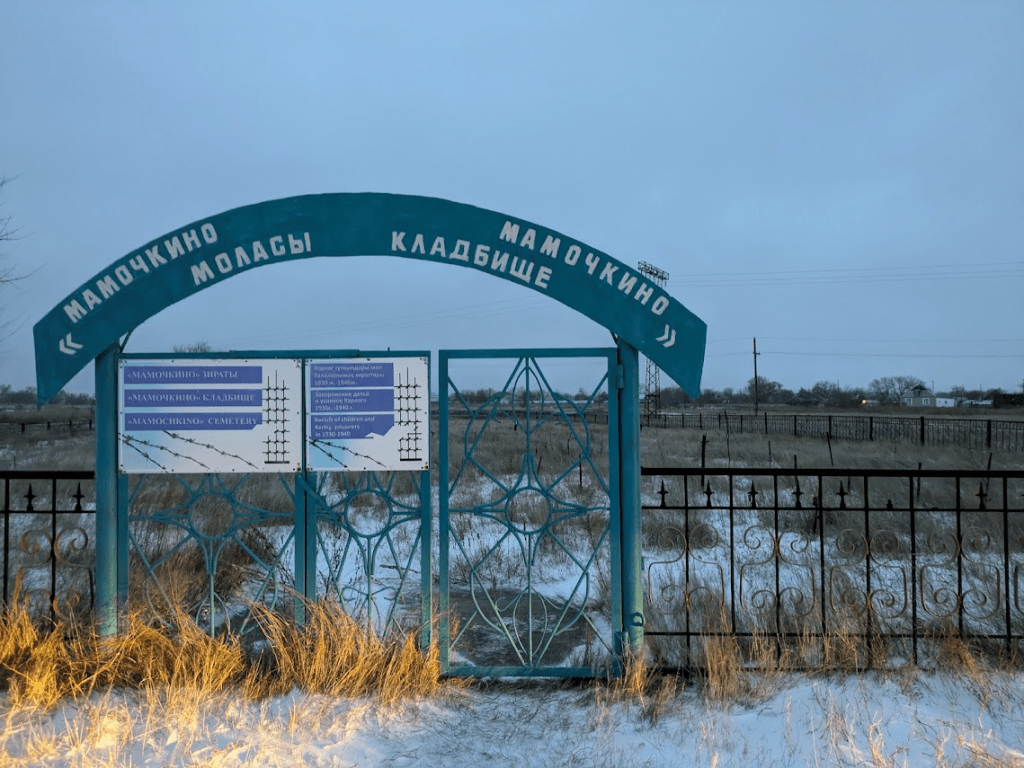
Fig 1. Mamochkino Cemetery, Image by Author 2024
Bibliography
“АЛЖИР Казахстан Лагерь жен изменников родины Художественный фильм.” YouTube. January 22, 2022. https://www.youtube.com/watch?v=PZS0r583TYU.
“Музей памяти жертв политических репрессий.” 2024. Карлаг. 2024. https://karlagmuseum.kz/.
“Музейно-мемориальный комплекс ‘АЛЖИР.’” Museum-Alzhir.kz. 2025. https://museum-alzhir.kz/ru/.
“Личности в истории лагеря.” Museum-Alzhir.kz. 2015. https://museum-alzhir.kz/ru/o-muzee/lichnosti-v-istorii-lagerya.
 Retrospect Journal