
Written by Emily Jones
Early Netherlandish Altarpieces were customarily constructed to serve a devotional purpose, displayed on, above, or behind church altars. As the focal point of the liturgical and sacramental rituals, these works facilitated worship and spiritual contemplation. However, their purpose is multifaceted, acting both as a versatile educational tool for religion whilst simultaneously representing contemporary societal values. Furthermore, they functioned as an embodiment of the community surrounding it, forming an important aspect of a city’s collective identity. Three significant works exemplify the multifaceted nature of Netherlandish altarpieces: The Deposition (c. 1435-38) by Rogier van der Weyden, The Mérode Altarpiece (c. 1425) by Robert Campin and Jan van Eyck’s Adoration of the Mystic Lamb (The Ghent Altarpiece) (1432) are all multifaced in function and purpose. Analysing these masterpieces reveals the diverse roles altarpieces played beyond their devotional purpose, illustrating their didactic, social and civic functions.
One of the primary functions of early Netherlandish altarpieces was to support worship by visually reinforcing Christian doctrine. Through depictions of religious narratives and imagery, these works provided accessible theological instructions, particularly for the illiterate members of the congregation who could not read the Bible. Thus, they enhanced the accessibility of religion, enabling the church’s ideals to reach larger audiences. These altarpieces would have visually conversed moral lessons and theological concepts, allowing viewers to contemplate aspects of religious ceremony. For instance, a representation of Christ on the cross would signify the eucharistic sacrifice and the display of Christ’s body would emphasise the symbolic, sacramental, and eucharistic nature of the themes portrayed. The Deposition by Rogier van der Weyden (Fig. 1) exemplifies this by depicting the removal of Christ’s body from the cross. Jesus’s sacrificed body is suspended in the centre of this religious image as he is lowered, drawing attention as all the other figures on the canvas are congregated around him. Here, Jesus alludes to the bread that is elevated above the altar during the consecration and the people at the foot of the cross are the ‘faithful who receive the ‘living bread’ of the Eucharist. Therefore, The Deposition would have facilitated prayer and educated the meaning of the Eucharist.
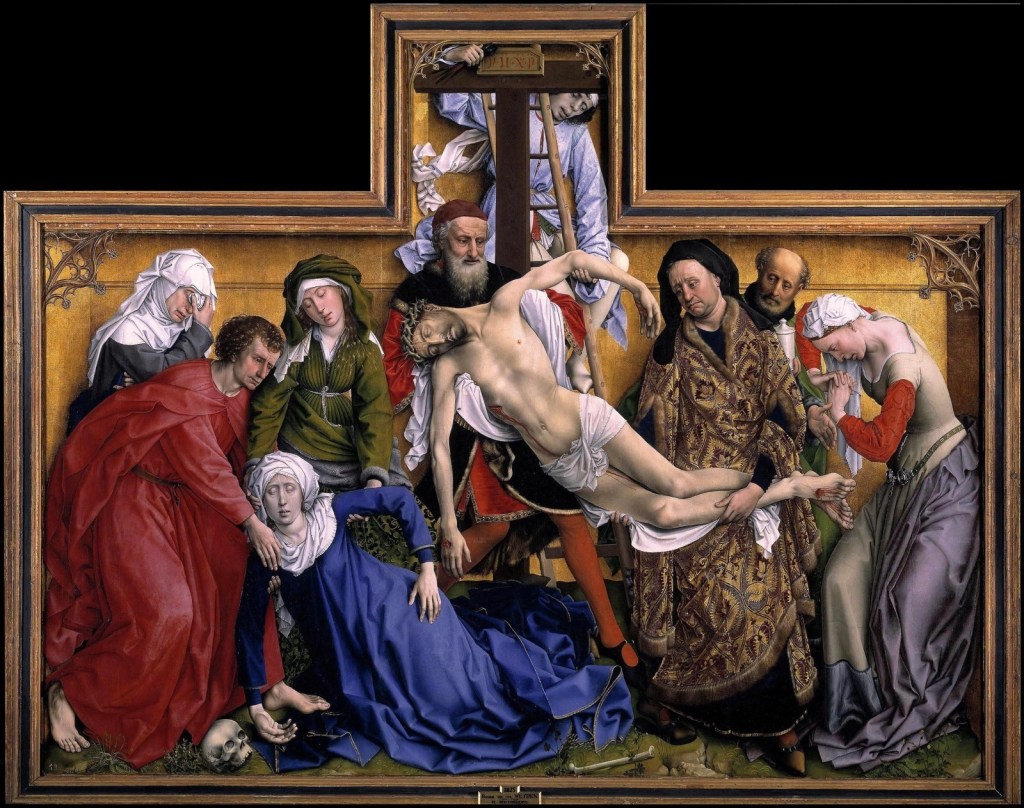
Figure 1 – Rogier van der Weyden, The Descent from the Cross/Deposition, c. 1435-38, The Prado, Madrid.
Van der Weyden employs several devices in The Deposition that appeal to the viewers’ emotions to encourage the viewer to partake in a form of intimate contemplation, enhancing the piece’s ability to teach the importance of ‘the sacrifice of the Eucharist and its reception by the congregation.’ The narrative of the painting only consists of the figures present and is compressed into a shallow niche with a plain gold background. This spatial and thematic reduction provides no visual outlet, thus trapping the viewer in a total contemplative image where they are forced to be confronted with feelings of grief and empathy. Van der Weyden’s portrayal of the figures’ intense emotional reactions to the scene is deeply moving, enabling the viewer to engage emotionally with the scene and thus, feel connected to the divine. For example, the depiction and positioning of the Virgin as she faints at the sight of her son mirrors that of the body of Christ. The imitation of Christ demonstrated by Mary literally expresses her shared suffering as she empathises physically with her son. Emphasis is created by Van der Weyden as Christ’s lifeless and pale colouring is mirrored on Mary’s tear-soaked face. Furthermore, the artist’s expert affinity for realism conjures raw emotion as the audience can see the realistic glisten of tears, pained facial expression and the precise inclusion of Christ’s bloody wounds. The realism allows contemporary viewers to connect with the biblical narrative personally as they see the familiar human emotions that they have experienced in their lives reflected on the figures they worship, reinforcing an altarpiece’s ability to instruct the congregation and its overall religious impact.
Domestic altarpieces present in the home were popular in early Netherlandish households as an intimate and emotionally engaging relationship with the divine was sought out by most Christians. Despite its function as an object to reflect a patron’s piety, altarpieces also represented their contemporary social ideals and could capture a patron’s identity. Robert Campin’s The Mérode Altarpiece (Fig. 2) displays the wishes of a contemporary patron who would have conformed to early Netherlandish societal values. The Mérode Triptych is an annunciation scene acted out in a contemporary domestic interior as it was to be displayed in the patron’s home. The patron of The Mérode Altarpiece is merchant, Peter Engelbrecht. Engelbrecht would have been motivated to commission the piece to present the fruits of his labour. The commission of an altarpiece was a public display of wealth and status as it was a significant financial undertaking. Applying especially to The Mérode Altarpiece as the patron employed Robert Campin, a renowned artist. Therefore, an altarpiece symbolised the prestige of a patron and served to increase social status.
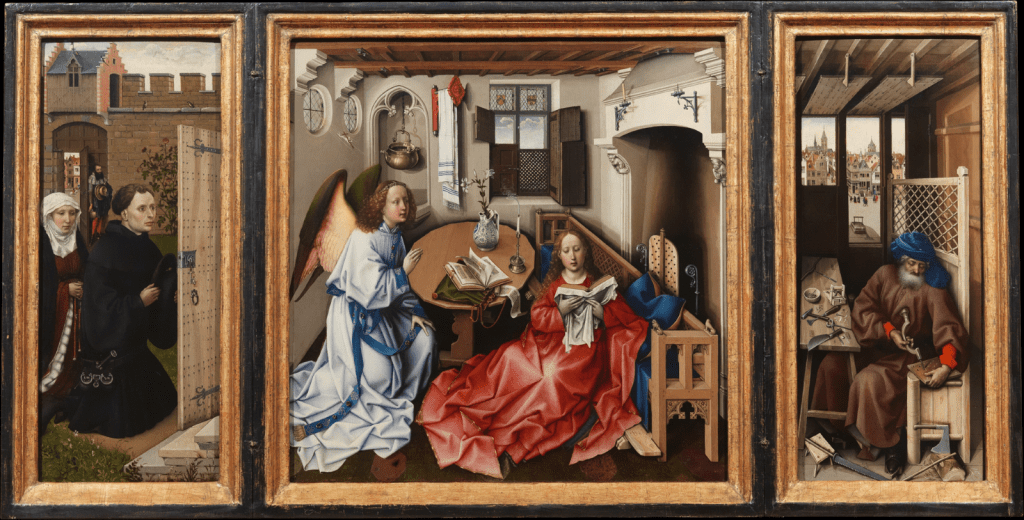
Figure 2 – Robert Campin, Mérode Altarpiece, c. 1425, The Metropolitan Musuem of Art, New York.
By referencing the social ideals of the patron, an altarpiece says a lot about identity. Analysis of The Mérode Altarpiece reveals how the artwork served both as a record of the life of Peter Engelbrecht and as a symbol of his family. Campin’s depiction of the annunciation scene reflects the Engelbrecht family as the surname translates into ‘Angel Brings’. A portrait of Engelbrecht as a witness to the annunciation is present in the left wing as he kneels next to his second wife Heylwich Bille. Due to society’s increase in demand for an intimate relationship with religious figures, artists developed new compositional formulas that enabled their patrons to be shown in veneration of, and close proximity to, holy figures. The portrait of the patron functions as a record of their individual identity and solidifies their legacy. Emphasising the display of Engelbrecht’s identity, the windows in the central panel contain the coat of arms of both of Engelbrecht and Heylwich Bille. Furthermore, the rose waiting to bloom present on Engelbrecht’s hat suggests that the triptych was intended as a votive painting that sought the blessing of children, confirming the aims of the commissioner. Therefore, The Mérode Altarpiece exemplifies both the contemporary social ideals that Peter Engelbrecht aspired to follow, and Campin’s inclusion of symbolism confirmed his aims while providing a familial historical representation.

Figure 3 – Jan van Eyck, Adoration of the Mystic Lamb (Ghent Altarpiece), interior, 1432. St Bavo’s, Ghent.
Early Netherlandish Altarpieces served not only as a symbol of the patron’s pride but also demonstrated the communal and civic pride of its place of origin. Usually commissioned by civic organisations, altarpieces played a role in establishing the identity of a guild or community and formed an integral aspect of a city’s collective identity. The Ghent Altarpiece (Fig. 3) by Jan van Eyck housed in St. Bavo’s Cathedral in Ghent depicts the religious narrative of the adoration of the mystic lamb. The altarpiece attracted immense popularity amongst tourists and pilgrims soon after it was completed, most likely due to its innovative and mystic nature. Employment opportunities for the construction of the artwork as well as the influx of people coming to see it would have benefitted Ghent economically, making the city more prosperous. Thus, Ghent became permanently associated with the altarpiece as it affirmed the city’s notoriety as a religious and cultural hub. Joos Vijd and his wife Lysbette Borluut, the commissioners of the altarpiece, are present on the exterior (Fig. 4), both kneeling in prayer towards John the Baptist and patron saint of Ghent, John the Evangelist. Their image is symbolic of communal identity as the altarpiece functioned as a gift from the patrons to their community. Van Eyck’s inclusion of the local saint further emphasised the artwork’s function as a symbol of Ghent’s identity and community.
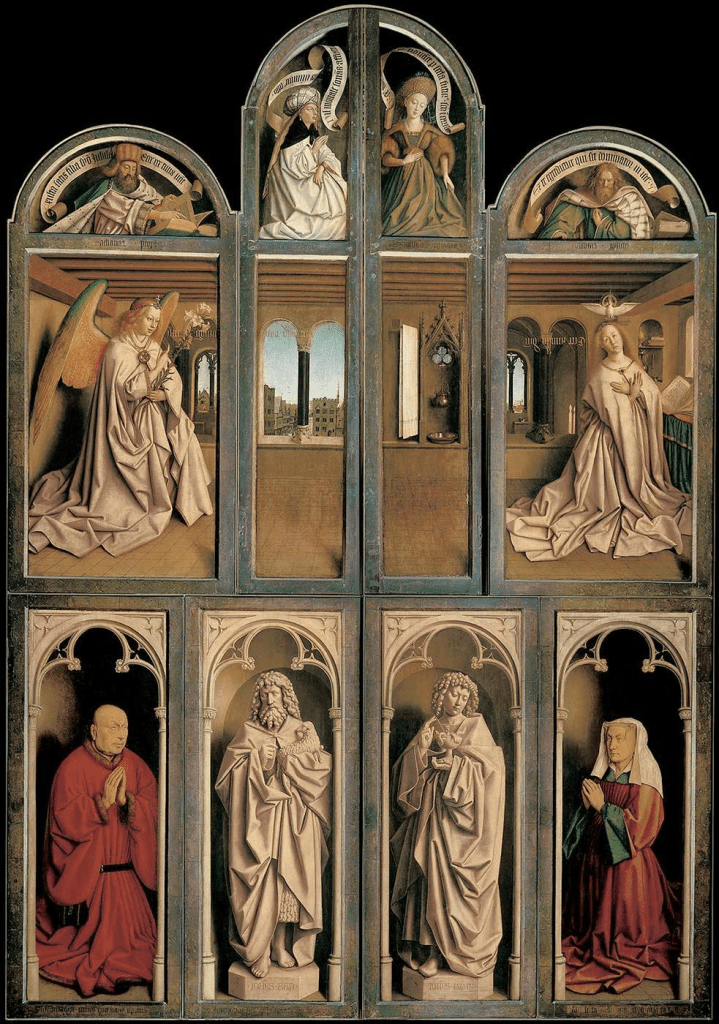
Figure 4 – Jan van Eyck, Adoration of the Mystic Lamb (Ghent Altarpiece), exterior, 1432. St Bavo’s, Ghent.
Moreover, The Ghent Altarpiece’s importance to the community of Ghent is reflected through the efforts over the centuries to reunite the altarpiece’s panels after its many separations. For example, the altarpiece’s wings were separated from the depictions of Adam and Eve, sold, and travelled to the former Kaiser Friedrich Museum in Berlin. Following, the First World War, they were returned in 1920 to Ghent as part of a petition in the Treaty of Versailles. These community efforts to reunite the altarpiece are ongoing given that the panel depicting ‘The Just Judges’ on the interior and St John the Baptist on the exterior, stolen in 1934, remains missing (Fig. 5). Thus, the immense presence of Van Eyck’s masterpiece in Ghent was and continues to be a major source of civic pride and admiration.
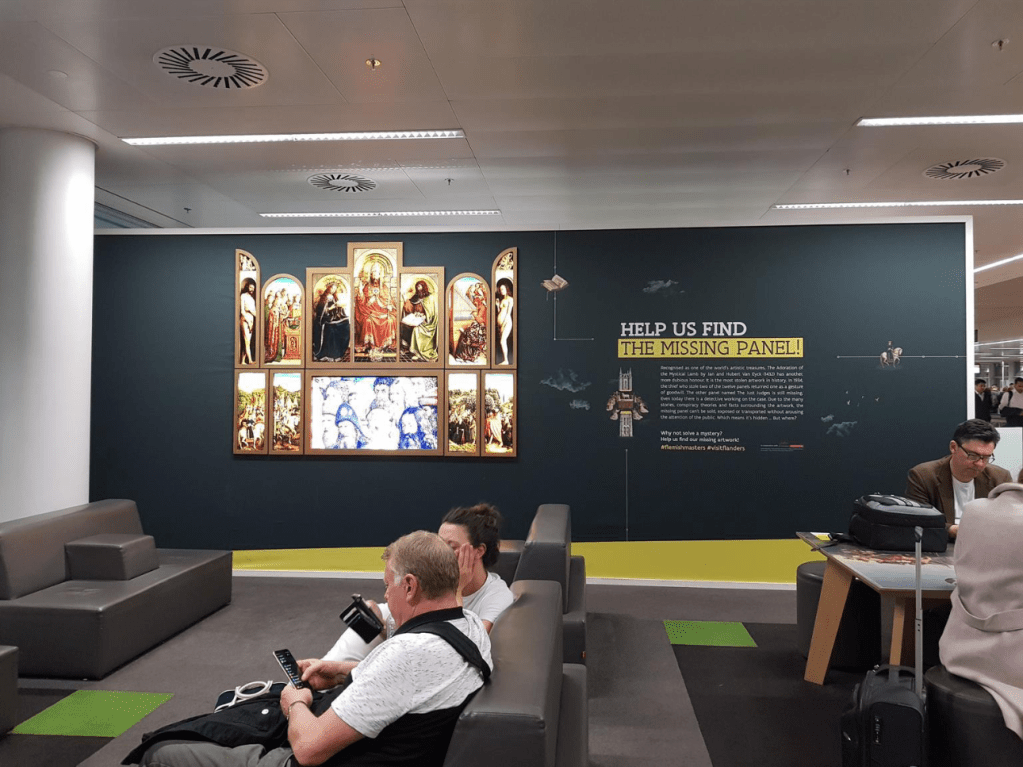
Figure 5 – Advert for The Ghent Altarpiece missing panel, Brussels Airport (2018).
Early Netherlandish altarpieces were far more than religious objects; they were complex, multifunctional works that served liturgical, educational, social and civic purposes. The Deposition by Rogier Van der Weyden functioned as a didactic tool, instructing viewers to contemplate Christ’s crucifixion and the Eucharist. The Mérode Altarpiece provides a vessel for the patron’s social ideas, representation of their individual identity and reflection of their family. Finally, The Ghent Altarpiece, reveals how altarpieces were vital symbols of a community’s identity and were instrumental in stimulating economic prosperity and inspiring civic pride. Collectively, these masterpieces reveal how altarpieces not only facilitated devotion but also shaped personal, social, and communal narratives, securing their place as vital cultural artefacts of the early Netherlandish world.
Bibliography
Lane, Barbara G. The Altar and the Altarpiece: Sacramental Themes in Early Netherlandish Painting. New York: Harper & Row, 1984.
Richardson, Carol M., Kim Woods, and Michael W. Franklin. Renaissance Art Reconsidered: An Anthology of Primary Sources. Edited by Carol M. Richardson, Kim W. Woods, and Michael W. Franklin. Oxford: Blackwell Publishing, 2007.
Richthofen, Victoria. “A Shifting Devotion: Vision and Performance in Rogier van der Weyden’s Deposition.” PhD diss., University of Colorado Boulder, 2018.
Ridderbos, Bernhard. “Choices and Intentions in the Mérode Altarpiece.” Journal of Historians of Netherlandish Art 14, no. 1(2022): 1-43.
Smith, Jeffrey C. The Northern Renaissance. London: Phaidon, 2004.
Stechow, Wolfgang. “The Netherlands.” In Northern Renaissance Art: 1400-1600, edited by H. W. Janson, 3-29. New Jersey: Prentice-Hall, 1966.
Thurleman, Felix. “A Triptych of the Annunciation.” In Robert Campin: A Monographic Survey with Critical Catalogue, 58-76. Munich: Prestel, 2002.
Vos, Dirk de. “An Absolute but Nameless Masterpiece: The Prado Descent from the Cross.” In Rogier van der Weyden: The Complete Works, 10-41. New York: Harry N. Abrams, 1999.
Williamson, Beth. “Altarpieces, Liturgy, and Devotion.” Speculum 79, no. 2 (2004): 341-406.
 Retrospect Journal