
Written by Louisa Steijger
09/11/2024
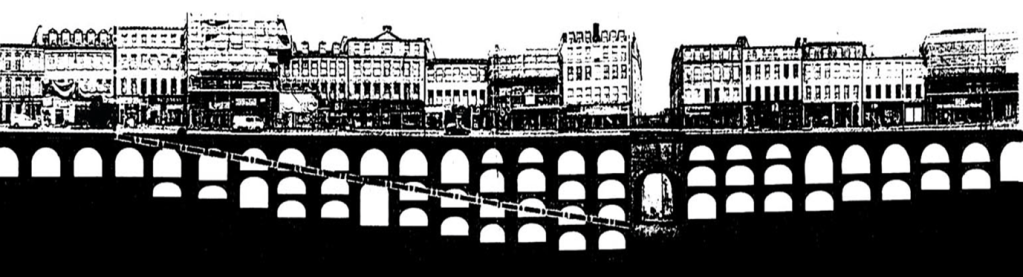
Figure 1: Overview of Edinburgh’s South Bridge and vaults by Mercat Tour
The Edinburgh Vaults, hidden beneath the city’s South Bridge, hold a long, complex history that reflects both the ingenuity and struggles of eighteenth and nineteenth-century Edinburgh. Built in 1788, the vaults were part of an ambitious project by Scottish architect, Robert Kay, designed to bridge Old Town to the newer northern districts of the city. Intended to streamline transportation and commerce, the South Bridge used nineteen arches to create an elevated path above the crowded Cowgate, allowing merchants and residents easy passage across the city’s valley.
Arguably, the above-ground sections of the bridge were the main focus, and the 120 vaults constructed beneath it were an afterthought—intended to serve as storage spaces for goods such as wine, textiles and other commodities that needed protection from the elements. Other vaults served as workshop spaces for artisans and tradespeople. Over time, however, the structural issues of the vaults became apparent: due to poor ventilation and Edinburgh’s damp climate, the vaults quickly became an inhospitable environment. Sandstone, chosen for much of the construction, proved porous, and the vaults suffered from constant leaks, worsening air quality, and persistent flooding. Within thirty years of the bridges opening, most of the legitimate businesses abandoned them, leaving the vaults in a state of disrepair.
Subsequently, the vacated vaults took on a new life in the nineteenth century, becoming a refuge for Edinburgh’s poorest residents and a clandestine hideout for the city’s underground economy. With few policing measures in place, the vaults became notorious for illicit activities: smugglers stashed contraband, unlicensed taverns set up hidden drinking dens, and gambling rings operated beyond the reach of authorities. People from the fringes of society—including immigrant Irish and Highlanders fleeing economic hardship and the Highland Clearances—found shelter in the vaults, adding to a transient community of the destitute and displaced. Little evidence exists of the people who inhabited Edinburgh vaults due to the illegality of squatting. Evidence of life in these subterranean spaces has been revealed in excavations. Household items like clay pipes, ceramic jars, medicine bottles, and other domestic artifacts point to the presence of squatters. The unsanitary conditions—no ventilation or running water, little light, waste-filled floors, and infestations—created a harrowing living situation. Disease was rampant, and life expectancy for the vault-dwelling community was bleak. The vaults thus became a dark microcosm of Edinburgh’s lower classes, representing the city’s social divide at the time.
When exactly the vaults were closed and sealed remains unclear; estimates vary from 1835 to 1875. The lack of formal records reflects the vaults’ forgotten status, as the city above evolved and grew, burying these chambers beneath layers of modern development. Over time, rubble was used to fill portions of the vaults, effectively sealing off the hidden network from further use.
This hidden past might have remained entirely unknown if not for accidental rediscoveries in the 1980s. Scottish rugby player, Norrie Rowan, stumbled upon a passage leading to the vaults while renovating the Tron Tavern, sparking renewed interest in the vaults. Today, they are preserved as a historical site, with sections of the north side of the Cowgate arch open to the public for history and ghost tours. On the south side, spaces such as the Caves and the Rowantree serve as event venues, providing modern uses for these historic chambers.
Ultimately, the vaults serve as a reminder of the city’s dual identity—a place of enlightenment and progress above ground and a darker, hidden world below. Whether you visit for the history, the ghost stories, or simply the thrill of descending into the dark, the Edinburgh Vaults stand as a fascinating testament to the city’s hidden history.
Bibliography
Dobraszczyk, Paul. ‘Haunted Spaces: Edinburgh’s Medieval Vaults’, Global Undergrounds, London, 105-108. London: Reaktion Books Ltd, 2016.
Fleet, Christopher & MacCanell, Daniel. Edinburgh: Mapping the City. Scotland: Birlinn Ltd, 2015.
Palmer, Claire. ‘Edinburgh Vaults’, Historic UK. [online] https://www.historic-uk.com/HistoryMagazine/DestinationsUK/Edinburgh-Vaults/ (accessed 29.10.24)
Rodger, Richard, Insanitary City: Henry Littlejohn and the Condition of Edinburgh. London: Carnegie Publishing Ltd. 2018.
The Scotsman, ‘A History of Edinburgh’s hidden vaults and tunnels’, The Scotsman. (2017) [online] https://www.scotsman.com/whats-on/arts-and-entertainment/a-history-of-edinburghs-hidden-vaults-and-tunnels-853984 (accessed 29.10.24)
Featured Image Credit: Overview of Edinburgh’s South Bridge and vaults by Mercat Tour, https://www.mercattours.com/blog-post/piecing-together-the-story-of-edinburghs-underground-vaults.
 Retrospect Journal